Mucuna pruriens
Mucuna pruriens · Fabaceae
Reviewed by The Sarv Health Team · Updated July 6, 2026 · Our editorial process
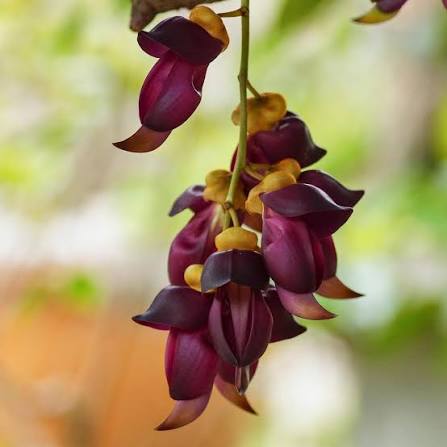
Mucuna pruriens, known in Ayurveda as kapikacchu, is a tropical legume whose seeds are one of nature's richest natural sources of L-DOPA, the direct precursor the body uses to make the neurotransmitter dopamine. This gives it a unique place among medicinal plants for supporting the brain, mood, and motivation. It is best known and most researched for supporting healthy dopamine levels in Parkinson's disease, where it has traditionally been used to ease tremor and rigidity, and it is used more broadly to lift mood, sharpen focus and drive, and counter the effects of stress. In Ayurveda mucuna is a prized rejuvenative and reproductive tonic, used to enhance male fertility, libido, and vitality and to strengthen the nervous system. It also acts as an adaptogen, helping the body cope with stress. Warming and nourishing, mucuna is treasured as a remedy for the nervous system, mood, motivation, and vitality.
Medicinal Uses
Mucuna pruriens is a climbing legume of tropical regions whose seeds have been used for thousands of years in Ayurvedic medicine, where it is called kapikacchu or atmagupta. It is classified as warming, sweet, and nourishing, and revered as a rasayana, or rejuvenative tonic. What sets mucuna apart is that its seeds are an exceptionally rich natural source of levodopa (L-DOPA), the metabolic precursor of the neurotransmitter dopamine.
The most researched medicinal use of mucuna is for supporting healthy dopamine levels, particularly in Parkinson's disease. Its natural L-DOPA content has traditionally been used to help ease the tremor, stiffness, and slowed movement associated with dopamine deficiency, and it is the subject of ongoing scientific interest as a plant-based source of this key compound. Because it directly affects dopamine, it should be used for such conditions only under professional guidance, especially alongside conventional medication.
Beyond this, mucuna is widely used to support mood, motivation, focus, and drive. By supporting dopamine, it is traditionally used to lift low mood, enhance mental clarity and a sense of wellbeing, and counter the flatness and low motivation that can accompany chronic stress.
In Ayurveda, mucuna is also a celebrated reproductive and rejuvenative tonic. It is used to enhance male fertility and healthy sperm, to support libido and sexual vitality in both sexes, and to build strength, stamina, and overall vigor.
Mucuna additionally functions as an adaptogen and nervous-system tonic, helping the body adapt to stress, calming and strengthening the nerves, and supporting restful balance. Warming, nourishing, and restorative, mucuna is treasured as a remedy for the nervous system, mood, motivation, and vitality.
Benefits
Supports healthy dopamine levels, traditionally used to ease Parkinson's symptoms, lifts mood and motivation, enhances focus and mental clarity, counters the effects of stress, acts as an adaptogen, enhances male fertility and sperm health, supports libido and sexual vitality, strengthens the nervous system, builds strength and stamina
How to Use & Dosage
For neurological conditions or if taking dopamine-related medication, use only under professional supervision.
1/4 to 1 teaspoon (1-5 grams) of mucuna seed powder per day, often in warm milk or water; start low.
300-1000 mg of standardized extract per day, divided into doses.
2-4 ml (about 40-80 drops), taken 1-2 times daily.
More Info
Frequently asked questions
What is Mucuna pruriens used for?
Mucuna pruriens is a climbing legume of tropical regions whose seeds have been used for thousands of years in Ayurvedic medicine, where it is called kapikacchu or atmagupta. It is classified as warming, sweet, and nourishing, and revered as a rasayana, or rejuvenative tonic. What sets mucuna apart is that its seeds are an exceptionally rich natural source of levodopa (L-DOPA), the metabolic precursor of the neurotransmitter dopamine.
What are the benefits of Mucuna pruriens?
Supports healthy dopamine levels, traditionally used to ease Parkinson's symptoms, lifts mood and motivation, enhances focus and mental clarity, counters the effects of stress, acts as an adaptogen, enhances male fertility and sperm health, supports libido and sexual vitality, strengthens the nervous system, builds strength and stamina
How do you take Mucuna pruriens?
Common preparations include note, powder, capsules, tincture. See the dosage guidance above, and consult a qualified practitioner for amounts suited to you.
This information is for general wellness and educational purposes only and is not medical advice. Consult a qualified healthcare provider before using any herb — especially if you are pregnant, nursing, or taking medication.
Learn more — more Women's Health and Hormonal Support herbs