Moringa
Moringa oleifera · Moringaceae
Reviewed by The Sarv Health Team · Updated June 29, 2026 · Our editorial process
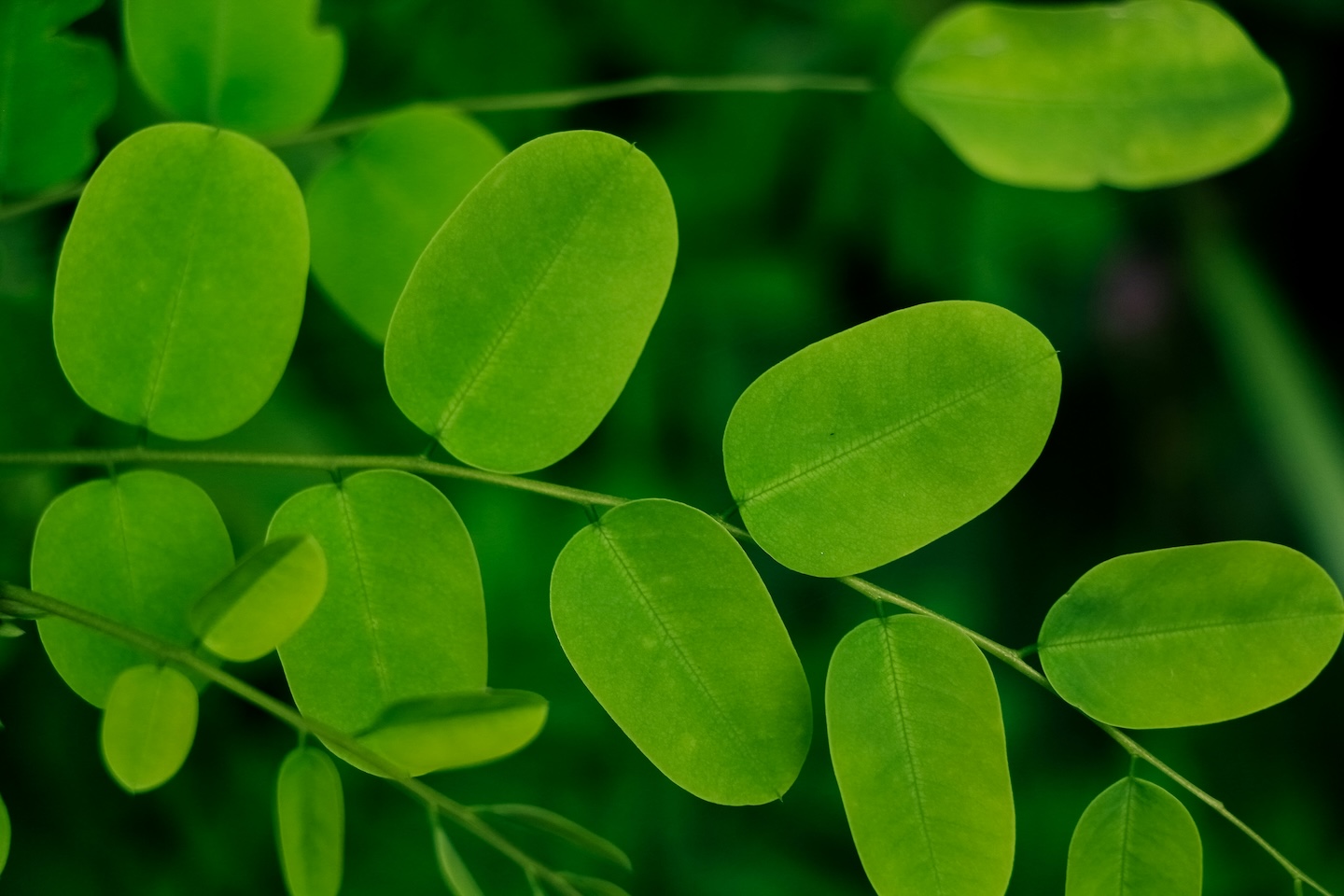
Moringa is a fast-growing tropical tree often called the miracle tree for its remarkable nutritional richness, used in Ayurveda and across Africa and Asia as both food and medicine. Its leaves are exceptionally dense in nutrients, providing protein, vitamins A, C, and E, calcium, iron, potassium, and a broad range of antioxidants, which makes moringa a powerful nourishing tonic for energy, vitality, and combating nutritional deficiency. Classified in Ayurveda as warming and used to balance excess cold and dampness, it is traditionally used to support healthy blood sugar and cholesterol, reduce inflammation, support the digestive system, and promote healthy lactation in nursing mothers. Moringa is also used to support the skin, immunity, and overall wellbeing, and its antioxidants protect cells from oxidative stress. Nourishing and protective, moringa is treasured as a nutritive tonic for energy, metabolic health, inflammation, and overall vitality.
Medicinal Uses
Moringa is a fast-growing, drought-resistant tropical tree native to India and now grown throughout the tropics, where nearly every part is used as food or medicine. Its nutritional density has earned it the names miracle tree and the tree of life, and in Ayurveda (where it is known as shigru) it is classified as warming and valued for balancing excess cold and dampness.
The foremost medicinal use of moringa is as a nourishing, nutritive tonic. Its leaves are extraordinarily rich in protein, vitamins A, C, and E, calcium, iron, potassium, and a wide range of antioxidants and amino acids. This makes moringa a powerful food-medicine for supporting energy and vitality, addressing nutritional deficiencies and undernourishment, and supporting general strength and wellbeing.
Moringa is also widely used to support metabolic health. It is traditionally and increasingly used to help maintain healthy blood sugar levels, support healthy cholesterol, and reduce inflammation throughout the body, contributing to cardiovascular and metabolic wellbeing.
The plant has further traditional uses for supporting the digestive system, easing inflammation and irritation, and promoting healthy breast milk production in nursing mothers, for which it is a classic galactagogue in several traditions.
Moringa is additionally used to support the skin and immune system and to protect the body from oxidative stress, reflecting its high antioxidant content. Its many benefits come from this rich combination of vitamins, minerals, antioxidants, and anti-inflammatory compounds such as isothiocyanates and quercetin. Nourishing and protective, moringa is treasured as a nutritive tonic for energy, metabolic health, inflammation, and overall vitality.
Benefits
Provides dense nutrition (protein, vitamins, and minerals), supports energy and vitality, helps address nutritional deficiency, supports healthy blood sugar, supports healthy cholesterol, reduces inflammation, supports digestion, promotes healthy lactation, supports the skin and immune system, provides antioxidant protection
How to Use & Dosage
1/2 to 1 teaspoon (2-6 grams) of moringa leaf powder daily, in water, smoothies, or food.
500-2000 mg per day, divided into 1-2 doses.
Steep 1 teaspoon of dried moringa leaves in hot water for 10 minutes. Drink 1-2 cups daily.
Add fresh moringa leaves to cooked dishes as a vegetable.
More Info
Frequently asked questions
What is Moringa used for?
Moringa is a fast-growing, drought-resistant tropical tree native to India and now grown throughout the tropics, where nearly every part is used as food or medicine. Its nutritional density has earned it the names miracle tree and the tree of life, and in Ayurveda (where it is known as shigru) it is classified as warming and valued for balancing excess cold and dampness. The foremost medicinal use of moringa is as a nourishing, nutritive tonic.
What are the benefits of Moringa?
Provides dense nutrition (protein, vitamins, and minerals), supports energy and vitality, helps address nutritional deficiency, supports healthy blood sugar, supports healthy cholesterol, reduces inflammation, supports digestion, promotes healthy lactation, supports the skin and immune system, provides antioxidant protection
How do you take Moringa?
Common preparations include powder, capsules, infusion, fresh leaves. See the dosage guidance above, and consult a qualified practitioner for amounts suited to you.
This information is for general wellness and educational purposes only and is not medical advice. Consult a qualified healthcare provider before using any herb — especially if you are pregnant, nursing, or taking medication.
Learn more — more Pain Management herbs