Mistletoe
Santalaceae
Reviewed by The Sarv Health Team · Our editorial process
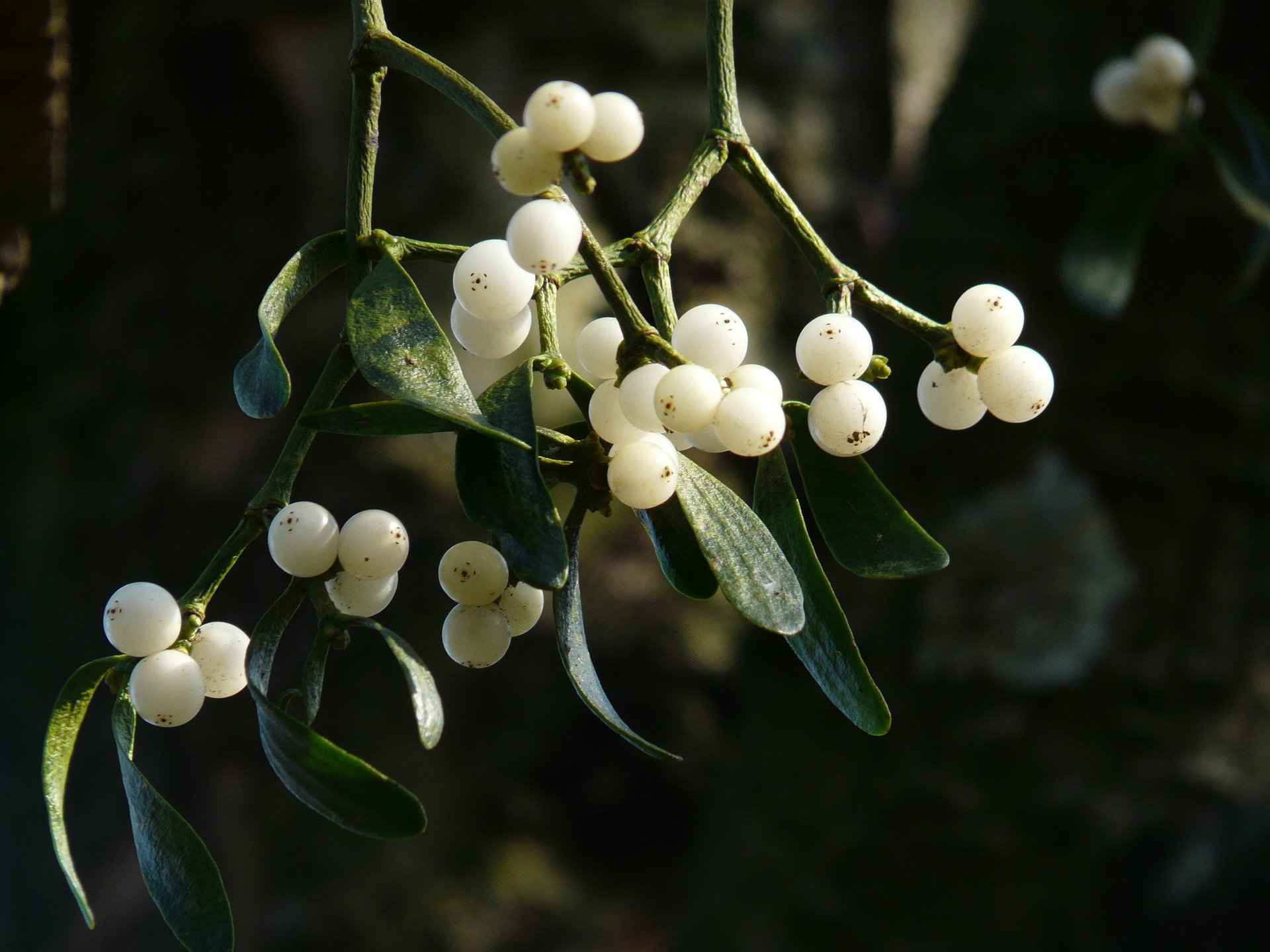
Mistletoe is a herb known for its medicinal properties. It helps in reducing convulsions, especially those linked to epilepsy, and improves circulation, which is beneficial for conditions like high blood pressure and edema. Mistletoe is also used to regulate irregular heartbeats and alleviate symptoms of cardiac obstructive diseases. Furthermore, it relaxes pelvic muscle spasms, aiding in conditions like pelvic congestion, and can be beneficial for women during early labor and post-labor by supporting uterine contractions. However, its consumption during pregnancy can lead to unwanted uterine contractions, so it's advised to be taken under appropriate circumstances and dosages.
Medicinal Uses
Mistletoe is recognized for its nervine properties, offering a gentle yet potent remedy for conditions related to the nervous and circulatory systems. Its ability to mitigate convulsions and improve circulation stems from its action on the brain and its capacity to alleviate blockages within the body. This makes mistletoe particularly effective in managing epilepsy, delirium, high blood pressure, and edema by enhancing blood flow and reducing fluid accumulation.
In terms of cardiac health, mistletoe is beneficial for individuals experiencing heart insufficiency that leads to irregular heartbeat and cardiac obstructive diseases. The administration of mistletoe drops under the tongue has been reported to regularize heart rhythm and breathing, enabling individuals to rest comfortably. The herb's capacity to clear obstructions caused by disease or tension contributes to its effectiveness in these conditions.
Mistletoe also addresses pelvic congestion and spasms, relevant to both women and men. It can alleviate discomfort associated with uterine or ovarian issues in women and prostate conditions in men by relaxing the smooth muscles around these organs, thus enhancing their function and reducing pain and cramps. Furthermore, mistletoe can be used in the early stages of labor to support contractions without inducing spasms and post-labor to aid the uterus in returning to its normal size.
However, it's important to note the contraindication regarding pregnancy. Mistletoe should not be used during pregnancy due to its potential to induce uterine contractions, except when induction is medically appropriate and supervised. When used in appropriate dosages, mistletoe is generally considered safe, underscoring the importance of dosage and context in its application for health benefits.
Benefits
reduces convulsions, improves circulation, regulates heartbeat, relaxes pelvic muscles spasms
How to Use & Dosage
To make an infusion, use 2 teaspoons per cup. Steep it for 10 minutes. You can have 1 to 3 cups per day.
The tincture must be made from green plant material. Take 30 to 90 drops, 1 to 3 times per day. For acute issues, take 5 to 10 drops every 15 minutes.
More Info
Frequently asked questions
What is Mistletoe used for?
Mistletoe is recognized for its nervine properties, offering a gentle yet potent remedy for conditions related to the nervous and circulatory systems. Its ability to mitigate convulsions and improve circulation stems from its action on the brain and its capacity to alleviate blockages within the body. This makes mistletoe particularly effective in managing epilepsy, delirium, high blood pressure, and edema by enhancing blood flow and reducing fluid accumulation.
What are the benefits of Mistletoe?
reduces convulsions, improves circulation, regulates heartbeat, relaxes pelvic muscles spasms
How do you take Mistletoe?
Common preparations include infusion, tincture. See the dosage guidance above, and consult a qualified practitioner for amounts suited to you.
This information is for general wellness and educational purposes only and is not medical advice. Consult a qualified healthcare provider before using any herb — especially if you are pregnant, nursing, or taking medication.
Learn more — more Pain Management herbs