Manjistha
Rubia cordifolia · Rubiaceae
Reviewed by The Sarv Health Team · Updated June 29, 2026 · Our editorial process
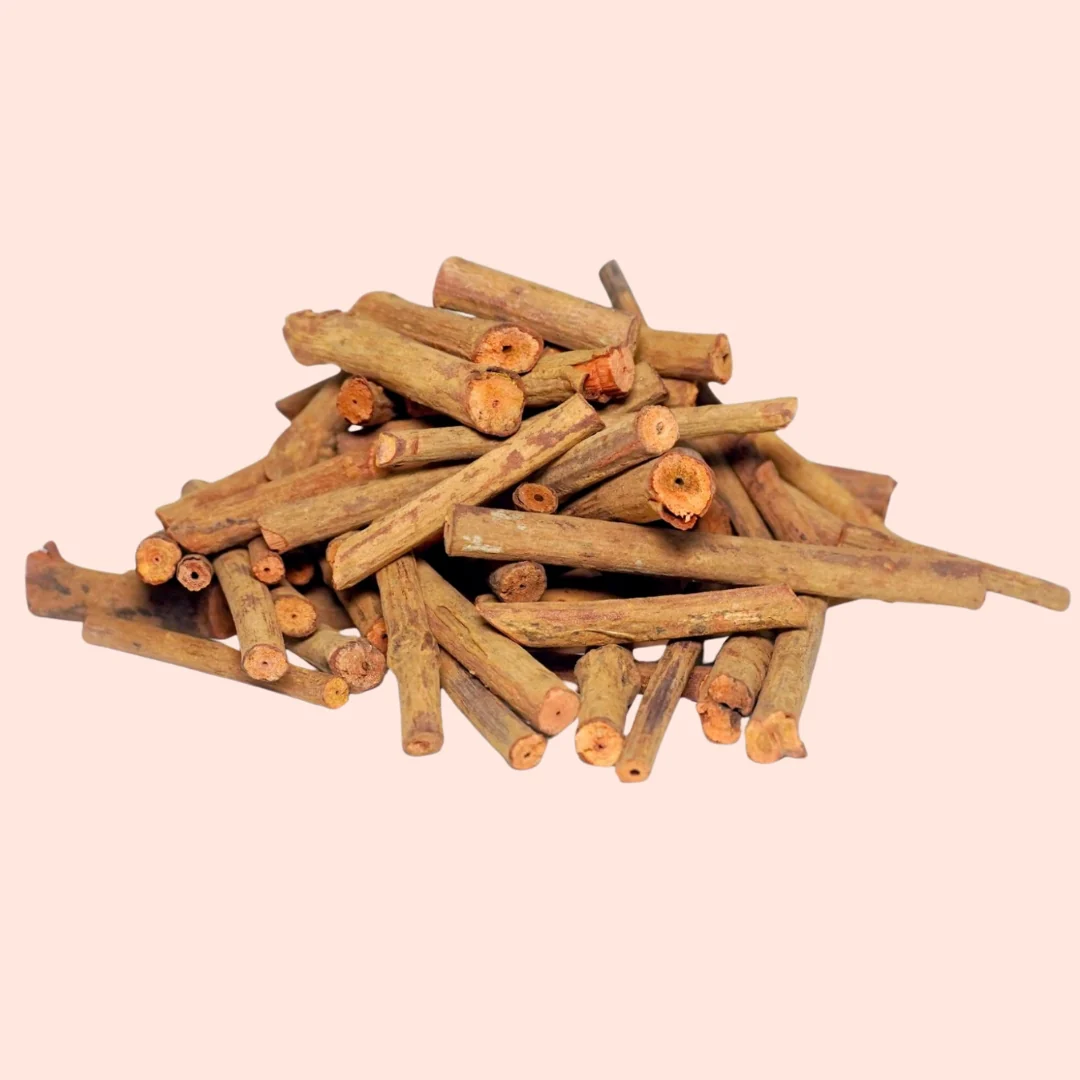
Manjistha is one of the most important blood-purifying and lymph-supporting herbs in Ayurveda, treasured for its affinity for the skin and the circulatory and lymphatic systems. Classified as bitter, astringent, and sweet with a cooling and slightly heating quality, it is the classic remedy for clearing heat and stagnation from the blood and for promoting healthy lymphatic flow. Its foremost use is for the skin, traditionally taken to clear acne, eczema, pigmentation, and other conditions linked to heat and impurity in the blood, helping to produce a clear, even complexion. Manjistha is also used to support healthy lymph movement, reduce swelling, and support the liver and kidneys in detoxification. It additionally helps regulate menstruation and supports tissue healing. Rich in anthraquinones and other pigments, it offers antioxidant and circulation-supporting effects. Cooling and purifying, manjistha is treasured as a remedy for the skin, blood, and lymphatic health.
Medicinal Uses
Manjistha is a climbing plant whose red root has been used both as a dye and as a medicine for centuries in Ayurveda, where it is regarded as the foremost herb for purifying the blood and supporting the lymphatic system. It is classified as bitter, astringent, and sweet, with a predominantly cooling action, and is considered especially effective at clearing heat and stagnation from the blood and tissues.
The most celebrated medicinal use of manjistha is for the skin. It is the classic Ayurvedic remedy for chronic skin conditions understood to arise from heat and impurity in the blood, including acne, eczema, dermatitis, and uneven pigmentation. By cooling and cleansing the blood, it is traditionally used to promote a clear, healthy, even complexion.
Manjistha is equally valued for supporting the lymphatic system. It is used to promote healthy lymphatic drainage, reduce congestion and swelling, and support the body's natural cleansing pathways, which underlies much of its effect on the skin and overall vitality.
The herb also supports the liver and kidneys in their detoxifying roles, helps regulate and ease menstruation by moving stagnant blood, and is traditionally used to support the healing of wounds and tissues and to help break down stagnation such as stones.
Rich in anthraquinones such as purpurin and munjistin, along with other pigments and glycosides, manjistha offers antioxidant, anti-inflammatory, and circulation-supporting effects. Cooling and purifying, it is treasured as a remedy for the skin, blood, and lymphatic health.
Benefits
Purifies the blood, supports clear, healthy skin, helps clear acne, eczema, and pigmentation, supports healthy lymphatic drainage, reduces swelling and congestion, supports the liver and kidneys in detoxification, helps regulate menstruation, supports tissue and wound healing, provides antioxidant effects
How to Use & Dosage
1/4 to 1/2 teaspoon (1-3 grams) of manjistha powder, taken 1-2 times daily in water or honey.
500-1500 mg per day, divided into 1-2 doses.
2-4 ml (about 40-80 drops), taken 2-3 times daily.
Simmer 1-2 teaspoons of dried manjistha root in water for 15-20 minutes. Drink 1-2 cups daily.
More Info
Frequently asked questions
What is Manjistha used for?
Manjistha is a climbing plant whose red root has been used both as a dye and as a medicine for centuries in Ayurveda, where it is regarded as the foremost herb for purifying the blood and supporting the lymphatic system. It is classified as bitter, astringent, and sweet, with a predominantly cooling action, and is considered especially effective at clearing heat and stagnation from the blood and tissues. The most celebrated medicinal use of manjistha is for the skin.
What are the benefits of Manjistha?
Purifies the blood, supports clear, healthy skin, helps clear acne, eczema, and pigmentation, supports healthy lymphatic drainage, reduces swelling and congestion, supports the liver and kidneys in detoxification, helps regulate menstruation, supports tissue and wound healing, provides antioxidant effects
How do you take Manjistha?
Common preparations include powder, capsules, tincture, decoction. See the dosage guidance above, and consult a qualified practitioner for amounts suited to you.
This information is for general wellness and educational purposes only and is not medical advice. Consult a qualified healthcare provider before using any herb — especially if you are pregnant, nursing, or taking medication.
Learn more — more Pain Management herbs