Lobelia
Campanulaceae
Reviewed by The Sarv Health Team · Our editorial process
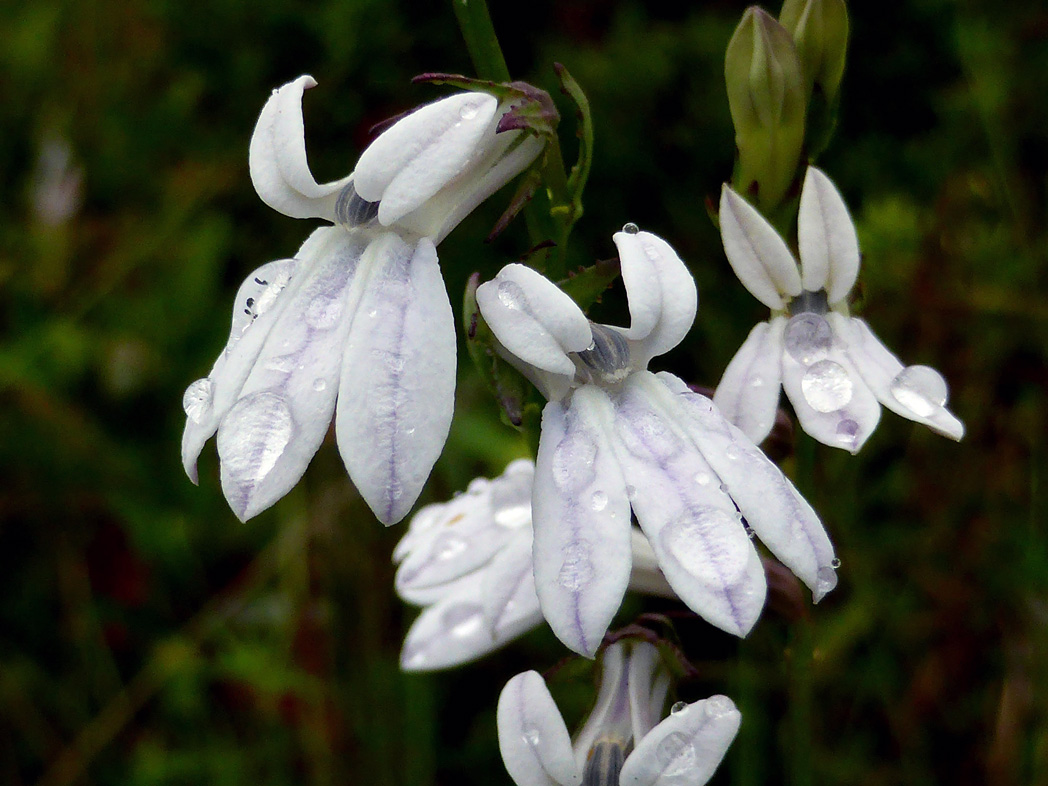
Lobelia is renowned for its ability to relax the body, particularly in areas with constricted blood flow, allowing for increased relaxation and improved circulation. It is beneficial in treating stomach spasms, bronchial irritations, gallbladder spasms, and conditions like asthma, as evidenced by successful treatments in historical cases. Additionally, lobelia has properties that purify the stomach, enhancing overall health and well-being. However, it is contraindicated for individuals with hypertension and those who are pregnant.
Medicinal Uses
Lobelia is widely recognized for its potent relaxant properties, capable of easing tension throughout the body. In small doses, it can alleviate constricted areas, enhancing blood flow and allowing the parasympathetic nervous system to dominate, leading to overall relaxation and dilation of blood vessels. This makes lobelia particularly effective for treating stomach spasms, bronchial irritations, gallbladder spasms, strangulated hernia, and stress-induced bodily tension.
Beyond its relaxant effects, lobelia also improves blood circulation, making it beneficial for those with persistently cold extremities by promoting warmth through increased blood flow. Topical applications, such as fomentations, can draw out pain and aid in fever reduction, while just a few drops of lobelia tincture can alleviate ear pain and congestion.
Lobelia's impact on the respiratory system is significant, especially for those with asthma. Its ability to relax constricted bronchioles can provide much-needed relief. The case recounted by American herbalist John Christopher, where lobelia was used to induce the expulsion of phlegm in an asthma patient, highlights its therapeutic potential. Similarly, a personalized lobelia-based treatment demonstrated notable improvements in a young asthma patient, reducing the need for conventional inhalers.
For stomach purification, lobelia's utility was emphasized by herbalist Samuel Thomson, who advocated for its use in small doses to relax gastrointestinal organs, remove obstructions, and alleviate congestion, thereby enhancing digestive health and overall well-being.
However, there are important contraindications to be mindful of. Lobelia should not be used by individuals with hypertension or during pregnancy due to potential adverse effects. As with any potent herbal remedy, careful consideration and consultation with a healthcare provider are advised before incorporating lobelia into a health regimen, especially for those with pre-existing conditions or those taking medication.
Benefits
relaxes the body, increases blood circulation, relieves constricted lungs, purifies the stomach
How to Use & Dosage
Make an infusion by using 1 or 2 teaspoons of herb per cup. Steep for 10 to 12 minutes. Drink 4 ounces of this infusion just once.
For purgative action, take 1/2 to 1 teaspoon of tincture once. For other applications, take 5 to 10 drops once per day.
Prepare a fomentation by using 4 tablespoons of herb per pint of hot water. Let it steep for 1 hour.
As a rule, a stimulant herb, such as a cup of peppermint tea, should always be given a few minutes prior to or in conjunction with lobelia.
More Info
Frequently asked questions
What is Lobelia used for?
Lobelia is widely recognized for its potent relaxant properties, capable of easing tension throughout the body. In small doses, it can alleviate constricted areas, enhancing blood flow and allowing the parasympathetic nervous system to dominate, leading to overall relaxation and dilation of blood vessels. This makes lobelia particularly effective for treating stomach spasms, bronchial irritations, gallbladder spasms, strangulated hernia, and stress-induced bodily tension.
What are the benefits of Lobelia?
relaxes the body, increases blood circulation, relieves constricted lungs, purifies the stomach
How do you take Lobelia?
Common preparations include infusion, tincture, fomentation, stimulant herb. See the dosage guidance above, and consult a qualified practitioner for amounts suited to you.
This information is for general wellness and educational purposes only and is not medical advice. Consult a qualified healthcare provider before using any herb — especially if you are pregnant, nursing, or taking medication.
Learn more — more Pain Management herbs