Kava
Piper methysticum · Piperaceae
Reviewed by The Sarv Health Team · Updated June 29, 2026 · Our editorial process
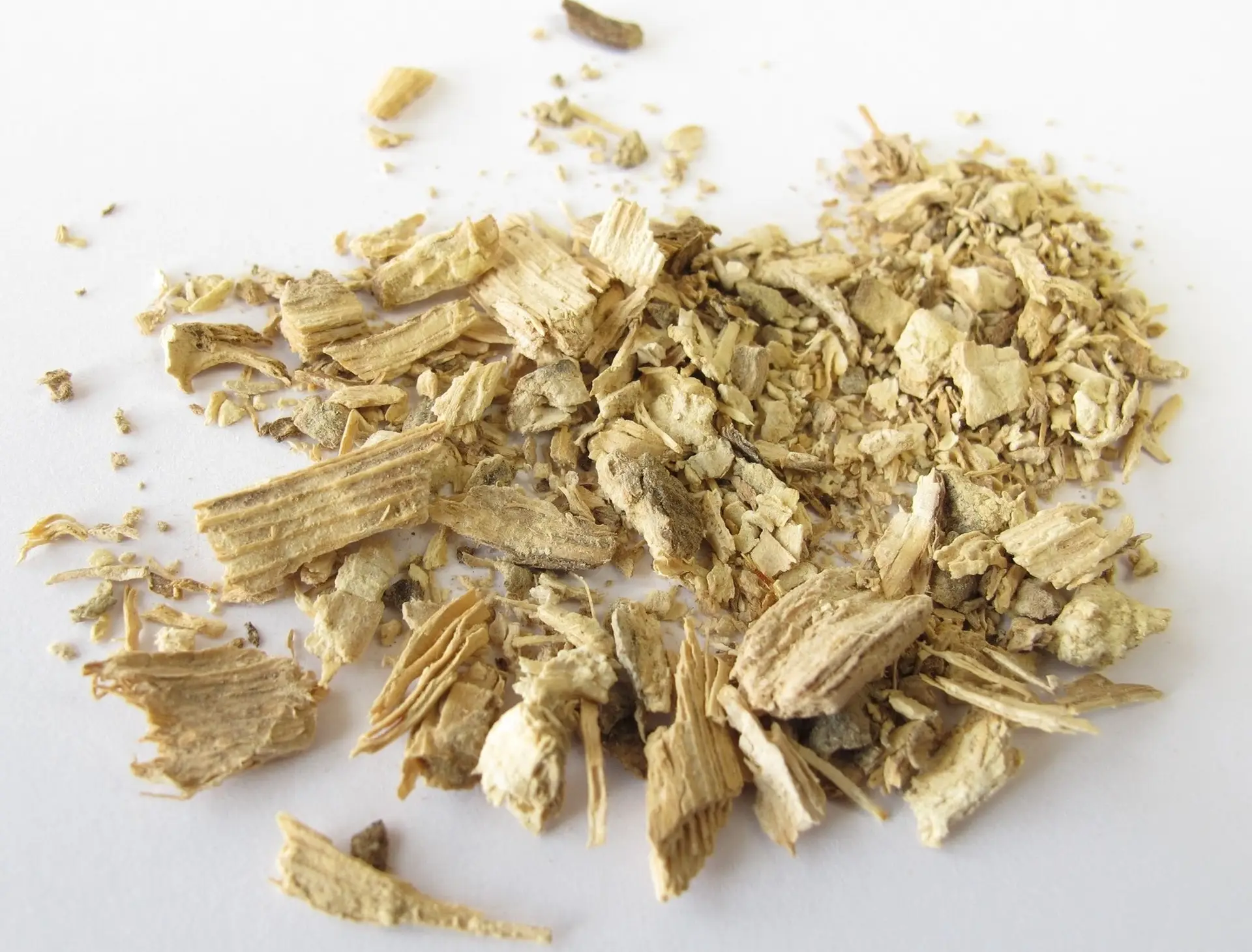
Kava is a Pacific Island shrub whose root has been used ceremonially and medicinally for thousands of years across Polynesia, Melanesia, and Micronesia, where it is prepared as a calming, relaxing drink for ritual, social, and healing purposes. Classified as pungent and numbing, it is one of the most effective herbal remedies for anxiety and tension, traditionally and clinically valued for easing nervous anxiety, stress, and restlessness while leaving the mind clear. Kava is also a muscle relaxant and antispasmodic, used to relax tense muscles, ease tension headaches, and relieve certain kinds of pain, and it is used to promote calm and restful sleep. Its active compounds, the kavalactones, underlie its calming and relaxing effects. Because of concerns about liver effects with some products, quality sourcing and moderate use matter. Relaxing and grounding, kava is treasured as a remedy for anxiety, stress, muscle tension, and restful sleep.
Medicinal Uses
Kava is a shrub native to the islands of the South Pacific, where its root has been used for thousands of years as a sacred and social drink and as a medicine. Traditionally the root is prepared into a calming beverage consumed in ceremonies, gatherings, and healing practices across Polynesia, Melanesia, and Micronesia. It is classified as pungent, with a characteristic numbing quality on the tongue.
The foremost medicinal use of kava is for anxiety and nervous tension. It is one of the most effective herbal remedies for easing anxiety, stress, nervousness, and restlessness, and is valued because it can promote a relaxed, sociable, and contented state while leaving the mind clear rather than dulled. It has been studied and used clinically as a natural support for anxiety.
Kava is also a notable muscle relaxant and antispasmodic. It is traditionally used to relax tense, tight muscles, ease tension headaches and muscle spasms, and relieve certain kinds of pain, reflecting its soothing effect on both mind and body.
The root is further used to promote calm and restful sleep, helping to quiet an overactive mind and ease the tension that can interfere with falling asleep, making it a traditional remedy for stress-related insomnia.
Kava's effects are attributed to its kavalactones, which act on the nervous system to produce its calming, relaxing, and mildly pain-relieving actions. Because some kava products have been associated with liver concerns, it is best used as quality, water-prepared root in moderate amounts and avoided with alcohol or liver-affecting medications. Relaxing and grounding, kava is treasured as a remedy for anxiety, stress, muscle tension, and restful sleep.
Benefits
Eases anxiety and nervous tension, relieves stress and restlessness, promotes relaxation while keeping the mind clear, relaxes tense muscles, eases tension headaches and muscle spasms, relieves certain kinds of pain, promotes calm and restful sleep
How to Use & Dosage
Standardized extract providing 100-250 mg of kavalactones per day.
2-4 ml (about 40-80 drops), taken 1-2 times daily or before bed.
Prepare 1-2 teaspoons (2-4 grams) of kava root in water and strain; drink 1 cup in the evening.
More Info
Frequently asked questions
What is Kava used for?
Kava is a shrub native to the islands of the South Pacific, where its root has been used for thousands of years as a sacred and social drink and as a medicine. Traditionally the root is prepared into a calming beverage consumed in ceremonies, gatherings, and healing practices across Polynesia, Melanesia, and Micronesia. It is classified as pungent, with a characteristic numbing quality on the tongue.
What are the benefits of Kava?
Eases anxiety and nervous tension, relieves stress and restlessness, promotes relaxation while keeping the mind clear, relaxes tense muscles, eases tension headaches and muscle spasms, relieves certain kinds of pain, promotes calm and restful sleep
How do you take Kava?
Common preparations include capsules, tincture, traditional drink. See the dosage guidance above, and consult a qualified practitioner for amounts suited to you.
This information is for general wellness and educational purposes only and is not medical advice. Consult a qualified healthcare provider before using any herb — especially if you are pregnant, nursing, or taking medication.
Learn more — more Pain Management herbs