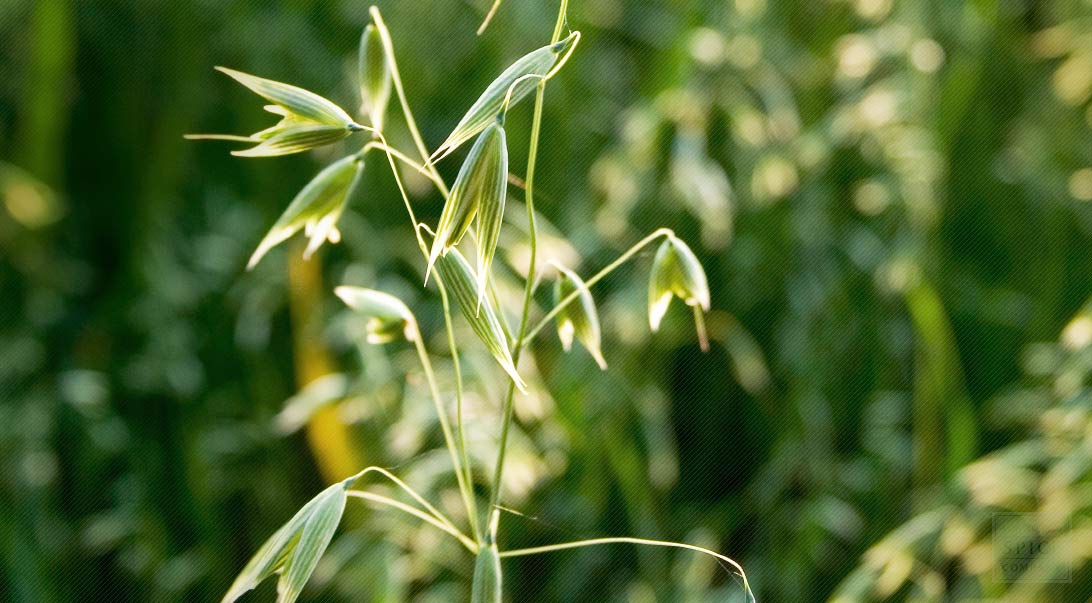
Cranesbill root
Geraniaceae
Reviewed by The Sarv Health Team · Our editorial process
Cranesbill root is a traditional herbal remedy known for its potent astringent properties due to high tannin content. It effectively treats gastrointestinal issues like diarrhea, dysentery, and gastrointestinal bleeding by reducing inflammation and irritation. Its ability to constrict blood vessels helps manage bleeding from conditions such as nosebleeds, hemorrhoids, and excessive menstrual bleeding, while its antiseptic properties promote wound healing and prevent infections. Cranesbill root also has anti-inflammatory effects, beneficial for conditions like arthritis, reducing swelling and pain. Additionally, it supports oral health by treating mouth sores, gingivitis, and sore throats. Overall, cranesbill root is a versatile herb with astringent, anti-inflammatory, and antiseptic properties, useful for gastrointestinal issues, bleeding management, wound healing, and oral health.
Medicinal Uses
Cranesbill root, derived from the *Geranium maculatum* plant, is a traditional herbal remedy known for its potent astringent properties. The primary active compounds in cranesbill root include tannins, which contribute to its effectiveness in treating various medical conditions.
One of the main medicinal uses of cranesbill root is to address gastrointestinal issues. Its astringent properties help reduce inflammation and irritation in the digestive tract, making it effective in treating diarrhea, dysentery, and gastrointestinal bleeding. By tightening and contracting tissues, cranesbill root helps to reduce excessive mucus and blood flow in the digestive system, promoting better digestive health.
Cranesbill root is also used to manage bleeding and support wound healing. The tannins in the root help constrict blood vessels, reducing bleeding in conditions such as nosebleeds, hemorrhoids, and excessive menstrual bleeding. Additionally, its antiseptic properties help prevent infections and promote faster healing of wounds and ulcers.
Moreover, cranesbill root has anti-inflammatory effects, which can be beneficial in treating conditions like arthritis and other inflammatory disorders. It helps reduce swelling and pain in affected areas, improving mobility and comfort.
Cranesbill root is also recognized for its potential benefits in managing oral health. Its astringent and antiseptic properties make it effective in treating conditions like mouth sores, gingivitis, and sore throats. By reducing inflammation and preventing bacterial growth, cranesbill root promotes better oral hygiene and health.
In summary, cranesbill root is a valuable herbal remedy with astringent, anti-inflammatory, and antiseptic properties. It is particularly effective in treating gastrointestinal issues, managing bleeding, supporting wound healing, and improving oral health. Its ability to tighten and contract tissues makes it a versatile and beneficial herb in natural medicine.
Benefits
Treats gastrointestinal issues (diarrhea, dysentery, gastrointestinal bleeding), reduces inflammation, manages bleeding (nosebleeds, hemorrhoids, excessive menstrual bleeding), supports wound healing, prevents infections, alleviates arthritis symptoms, improves oral health (mouth sores, gingivitis, sore throats)
How to Use & Dosage
1/4 to 1/2 teaspoon of cranesbill root powder, taken 1-3 times daily.
2-4 ml (about 40-80 drops), taken 2-3 times daily.
Simmer 1-2 teaspoons of dried cranesbill root in a cup of water for 10-15 minutes. Drink 1-3 cups daily to address gastrointestinal issues and general inflammation.
Gargle with the solution 2-3 times daily to improve oral health and treat mouth sores or sore throats.
More Info
Frequently asked questions
What is Cranesbill root used for?
Cranesbill root, derived from the *Geranium maculatum* plant, is a traditional herbal remedy known for its potent astringent properties. The primary active compounds in cranesbill root include tannins, which contribute to its effectiveness in treating various medical conditions. One of the main medicinal uses of cranesbill root is to address gastrointestinal issues.
What are the benefits of Cranesbill root?
Treats gastrointestinal issues (diarrhea, dysentery, gastrointestinal bleeding), reduces inflammation, manages bleeding (nosebleeds, hemorrhoids, excessive menstrual bleeding), supports wound healing, prevents infections, alleviates arthritis symptoms, improves oral health (mouth sores, gingivitis, sore throats)
How do you take Cranesbill root?
Common preparations include powder, tincture, decoction, mouthwash. See the dosage guidance above, and consult a qualified practitioner for amounts suited to you.
This information is for general wellness and educational purposes only and is not medical advice. Consult a qualified healthcare provider before using any herb — especially if you are pregnant, nursing, or taking medication.
Learn more — more Pain Management herbs