Corydalis
Corydalis yanhusuo · Papaveraceae
Reviewed by The Sarv Health Team · Updated June 29, 2026 · Our editorial process
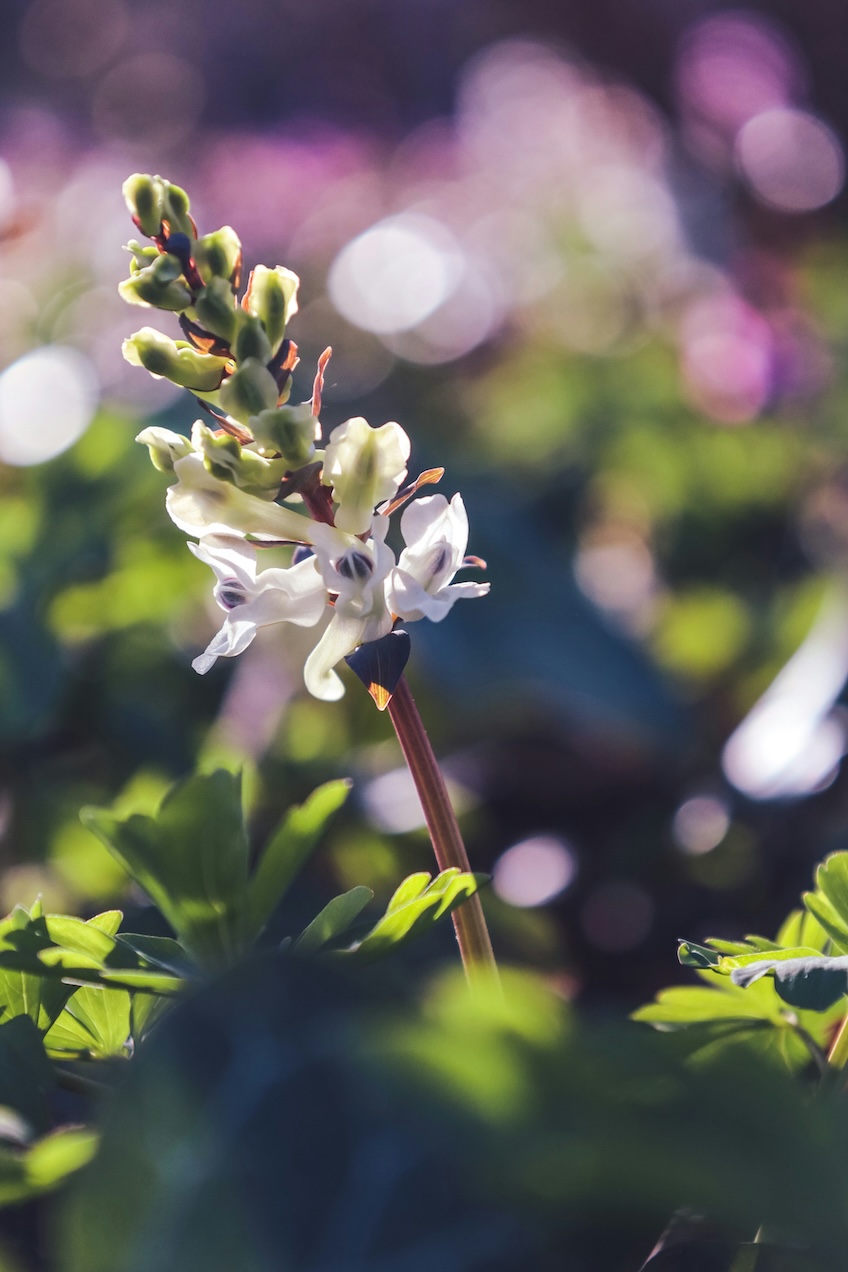
Corydalis, known in Chinese medicine as yan hu suo, is one of the most respected herbal pain relievers in the Traditional Chinese pharmacopoeia. Classified as acrid, bitter, and warm, it works by invigorating the blood and moving qi, and it is traditionally used to relieve a wide range of pain, including menstrual cramps, abdominal and chest pain, headaches, and the pain of injuries. Its analgesic effect is attributed to alkaloids, especially tetrahydropalmatine (DHCB), which act on the nervous system to dull pain and have a mild calming, sedative quality that can also aid sleep. Corydalis is valued because it addresses many kinds of pain associated with stagnation of blood and qi. Although it belongs to the poppy family, it is not an opium plant and is used as a non-narcotic herbal analgesic. Corydalis is a key herb for pain relief and the movement of blood and qi.
Medicinal Uses
Corydalis, known as yan hu suo, is one of the most important pain-relieving herbs in Traditional Chinese medicine. The rhizome is classified as acrid, bitter, and warm, entering the heart, liver, and spleen channels, and its core action is to invigorate the blood, move qi, and thereby stop pain. In Chinese medicine, much pain is understood to arise from stagnation of blood and qi, and corydalis is a primary herb for resolving it.
The foremost medicinal use of corydalis is the relief of pain throughout the body. It is traditionally used for menstrual cramps and abdominal pain, chest pain, epigastric and stomach pain, headaches, hernial pain, and the pain of trauma and injury. Its broad applicability to many kinds and locations of pain is part of what makes it so highly regarded.
Corydalis owes its analgesic reputation to its isoquinoline alkaloids, particularly tetrahydropalmatine (also referred to as DHCB), which act on the central nervous system to reduce the perception of pain. These alkaloids also give corydalis a mild sedative and calming quality, so it can help ease the restlessness or insomnia that often accompanies chronic pain and promote more restful sleep.
It is worth noting that although corydalis belongs to the poppy family, it is not an opium poppy and does not contain morphine; it is used as a non-narcotic herbal analgesic. Valued for its gentle yet meaningful pain-relieving action, corydalis remains a key herb for pain and for the healthy movement of blood and qi.
Benefits
Relieves many kinds of pain, eases menstrual cramps, soothes abdominal and chest pain, relieves headaches, reduces pain from injuries, invigorates the blood, moves qi, calms restlessness, supports restful sleep
How to Use & Dosage
1-3 grams of corydalis powder, taken 1-2 times daily.
500-1500 mg per day, divided into 1-2 doses.
2-4 ml (about 40-80 drops), taken 2-3 times daily.
Simmer 4.5-12 grams of dried corydalis rhizome in water for 30-45 minutes. Drink 1-2 cups daily.
More Info
Frequently asked questions
What is Corydalis used for?
Corydalis, known as yan hu suo, is one of the most important pain-relieving herbs in Traditional Chinese medicine. The rhizome is classified as acrid, bitter, and warm, entering the heart, liver, and spleen channels, and its core action is to invigorate the blood, move qi, and thereby stop pain. In Chinese medicine, much pain is understood to arise from stagnation of blood and qi, and corydalis is a primary herb for resolving it.
What are the benefits of Corydalis?
Relieves many kinds of pain, eases menstrual cramps, soothes abdominal and chest pain, relieves headaches, reduces pain from injuries, invigorates the blood, moves qi, calms restlessness, supports restful sleep
How do you take Corydalis?
Common preparations include powder, capsules, tincture, decoction. See the dosage guidance above, and consult a qualified practitioner for amounts suited to you.
This information is for general wellness and educational purposes only and is not medical advice. Consult a qualified healthcare provider before using any herb — especially if you are pregnant, nursing, or taking medication.
Learn more — more Pain Management herbs