Corn silk
Zea mays · Poaceae
Reviewed by The Sarv Health Team · Updated June 29, 2026 · Our editorial process
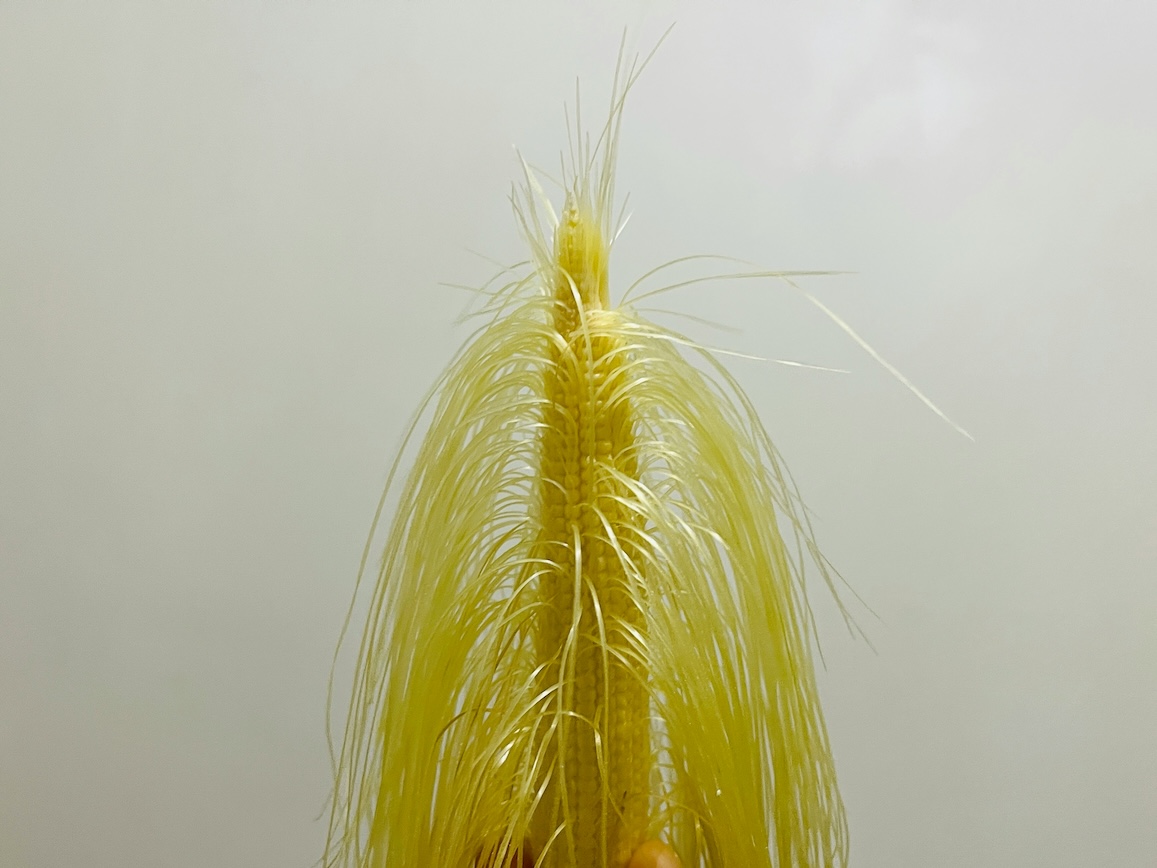
Corn silk is the soft, thread-like tuft of fibers found beneath the husk of an ear of corn, and it has been used across Native American, European, and Chinese traditions as a gentle, soothing remedy for the urinary system. Classified as sweet and mild, it is one of the best demulcent diuretics, traditionally used to soothe and support the bladder and urinary tract, ease painful or difficult urination, and help with urinary infections, irritation, and inflammation. Its soothing, coating quality makes it especially useful for irritated or inflamed urinary passages, and it is a classic remedy for bedwetting in children and for supporting the prostate. Corn silk also acts as a mild diuretic that helps with fluid retention and supports healthy kidneys. Soothing and gentle, corn silk is treasured as a safe remedy for the bladder, urinary tract, and fluid balance.
Medicinal Uses
Corn silk is the mass of fine, silky threads that grows beneath the husk of an ear of corn, each strand connected to a kernel. Far from being a waste product, it has a long history of medicinal use across Native American, European, and Chinese traditions, valued as a gentle, soothing remedy for the urinary system. It is classified as sweet and mild in nature.
The foremost medicinal use of corn silk is soothing and supporting the urinary tract. It is one of the finest demulcent diuretics, meaning it both increases urine flow and coats and soothes irritated tissues. This makes it a classic remedy for urinary tract infections, cystitis, painful or burning urination, and irritation or inflammation of the bladder and urethra, where it helps calm discomfort while flushing the urinary passages.
Corn silk is especially gentle, which makes it a traditional remedy for bedwetting and irritable bladder in children, and for supporting comfortable urination in older adults, including those with prostate enlargement and the urinary symptoms that accompany it.
As a mild diuretic, corn silk also helps relieve fluid retention and mild edema and supports healthy kidney function, encouraging the elimination of excess water and supporting the body's natural cleansing.
Corn silk contains flavonoids, potassium, mucilage, and other soothing compounds that underlie its demulcent and diuretic effects. Safe, gentle, and well tolerated, corn silk is treasured as a remedy for the bladder, urinary tract irritation, and healthy fluid balance.
Benefits
Soothes and supports the urinary tract, eases painful or burning urination, helps with urinary tract infections and cystitis, calms bladder irritation and inflammation, helps with bedwetting in children, supports the prostate, acts as a mild diuretic, relieves fluid retention, supports healthy kidneys
How to Use & Dosage
Steep 1-2 teaspoons of dried corn silk (or a handful of fresh) in hot water for 10-15 minutes. Drink 1-3 cups daily.
2-4 ml (about 40-80 drops), taken 2-3 times daily.
Simmer fresh or dried corn silk in water for 10 minutes. Drink 1-2 cups daily.
More Info
Frequently asked questions
What is Corn silk used for?
Corn silk is the mass of fine, silky threads that grows beneath the husk of an ear of corn, each strand connected to a kernel. Far from being a waste product, it has a long history of medicinal use across Native American, European, and Chinese traditions, valued as a gentle, soothing remedy for the urinary system. It is classified as sweet and mild in nature.
What are the benefits of Corn silk?
Soothes and supports the urinary tract, eases painful or burning urination, helps with urinary tract infections and cystitis, calms bladder irritation and inflammation, helps with bedwetting in children, supports the prostate, acts as a mild diuretic, relieves fluid retention, supports healthy kidneys
How do you take Corn silk?
Common preparations include infusion, tincture, decoction. See the dosage guidance above, and consult a qualified practitioner for amounts suited to you.
This information is for general wellness and educational purposes only and is not medical advice. Consult a qualified healthcare provider before using any herb — especially if you are pregnant, nursing, or taking medication.
Learn more — more Pain Management herbs