Chinese skullcap
Scutellaria baicalensis · Lamiaceae
Reviewed by The Sarv Health Team · Updated June 29, 2026 · Our editorial process
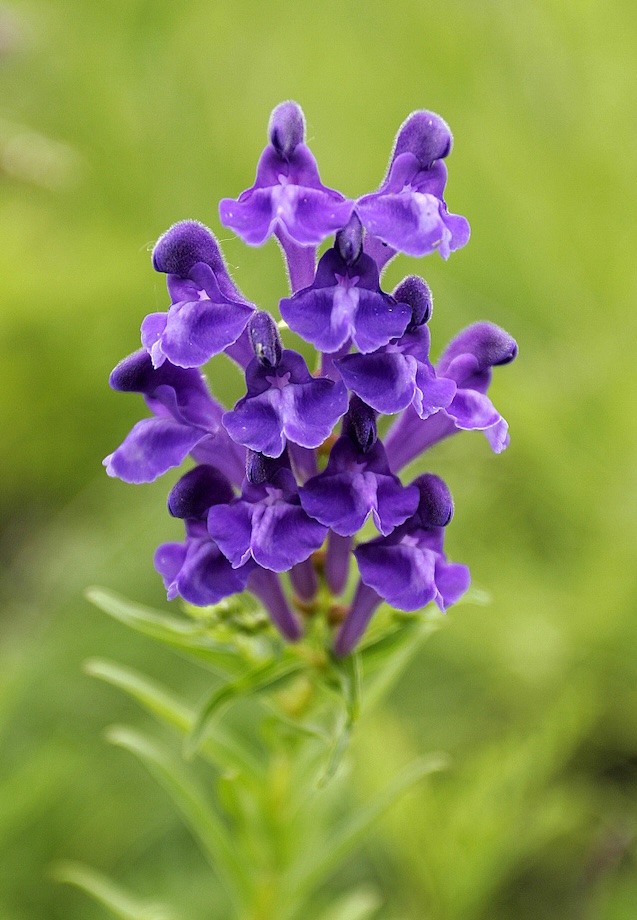
Chinese skullcap is a major heat-clearing herb in Traditional Chinese medicine, distinct from the American skullcap used for the nerves. Its golden root is classified as bitter and cold and is used to clear heat, dry dampness, and calm inflammation, particularly in the lungs, digestive tract, and liver. It is traditionally used for feverish conditions, respiratory infections with cough and congestion, and digestive complaints involving heat such as diarrhea and dysentery. Chinese skullcap is rich in flavonoids, especially baicalin, baicalein, and wogonin, which give it strong antioxidant, anti-inflammatory, and antimicrobial properties, and it has drawn extensive research interest for these effects. It is also used to support the liver and to calm certain types of restlessness. A versatile herb, Chinese skullcap is valued for inflammation, infections, respiratory and digestive heat, and liver support.
Medicinal Uses
Chinese skullcap, known as huang qin, is one of the principal heat-clearing herbs in Traditional Chinese medicine and should not be confused with American skullcap (Scutellaria lateriflora), which is used chiefly as a nervine. The golden root of Chinese skullcap is classified as bitter and cold, entering the lung, gallbladder, stomach, and large intestine channels to clear heat and dry dampness.
A primary medicinal use of Chinese skullcap is treating conditions involving heat and infection in the upper body and lungs. It is traditionally used for fevers, respiratory infections, coughs with thick yellow phlegm, and chest congestion, helping to cool and clear the lungs.
It is equally important for digestive complaints associated with heat and dampness. Chinese skullcap is used for diarrhea, dysentery, and intestinal infections, where its cooling and drying actions help resolve the underlying imbalance.
The herb is also used to support the liver and gallbladder, helping to clear heat in these organs, and to calm certain forms of restlessness and irritability linked to internal heat. In pregnancy, it has a traditional role in formulas to calm a restless fetus.
Chinese skullcap is exceptionally rich in flavonoids, particularly baicalin, baicalein, and wogonin, which give it strong antioxidant, anti-inflammatory, and antimicrobial properties. These constituents have made it the subject of extensive modern research. Versatile and potent, Chinese skullcap is valued for inflammation, infections, respiratory and digestive heat, and liver support.
Benefits
Clears heat and reduces fever, calms inflammation, supports the lungs, relieves cough and congestion, eases diarrhea and intestinal infections, supports the liver and gallbladder, provides antioxidant and antimicrobial effects, calms restlessness linked to heat
How to Use & Dosage
1/2 to 1 teaspoon (1-3 grams) of root powder, taken 1-2 times daily.
500-2000 mg per day, divided into 1-2 doses.
2-4 ml (about 40-80 drops), taken 2-3 times daily.
Simmer 3-9 grams of dried Chinese skullcap root in water for 30-45 minutes. Drink 1-2 cups daily.
More Info
Frequently asked questions
What is Chinese skullcap used for?
Chinese skullcap, known as huang qin, is one of the principal heat-clearing herbs in Traditional Chinese medicine and should not be confused with American skullcap (Scutellaria lateriflora), which is used chiefly as a nervine. The golden root of Chinese skullcap is classified as bitter and cold, entering the lung, gallbladder, stomach, and large intestine channels to clear heat and dry dampness. A primary medicinal use of Chinese skullcap is treating conditions involving heat and infection in the upper body and lungs.
What are the benefits of Chinese skullcap?
Clears heat and reduces fever, calms inflammation, supports the lungs, relieves cough and congestion, eases diarrhea and intestinal infections, supports the liver and gallbladder, provides antioxidant and antimicrobial effects, calms restlessness linked to heat
How do you take Chinese skullcap?
Common preparations include powder, capsules, tincture, decoction. See the dosage guidance above, and consult a qualified practitioner for amounts suited to you.
This information is for general wellness and educational purposes only and is not medical advice. Consult a qualified healthcare provider before using any herb — especially if you are pregnant, nursing, or taking medication.
Learn more — more Pain Management herbs