Cedar
Cupressaceae
Reviewed by The Sarv Health Team · Our editorial process
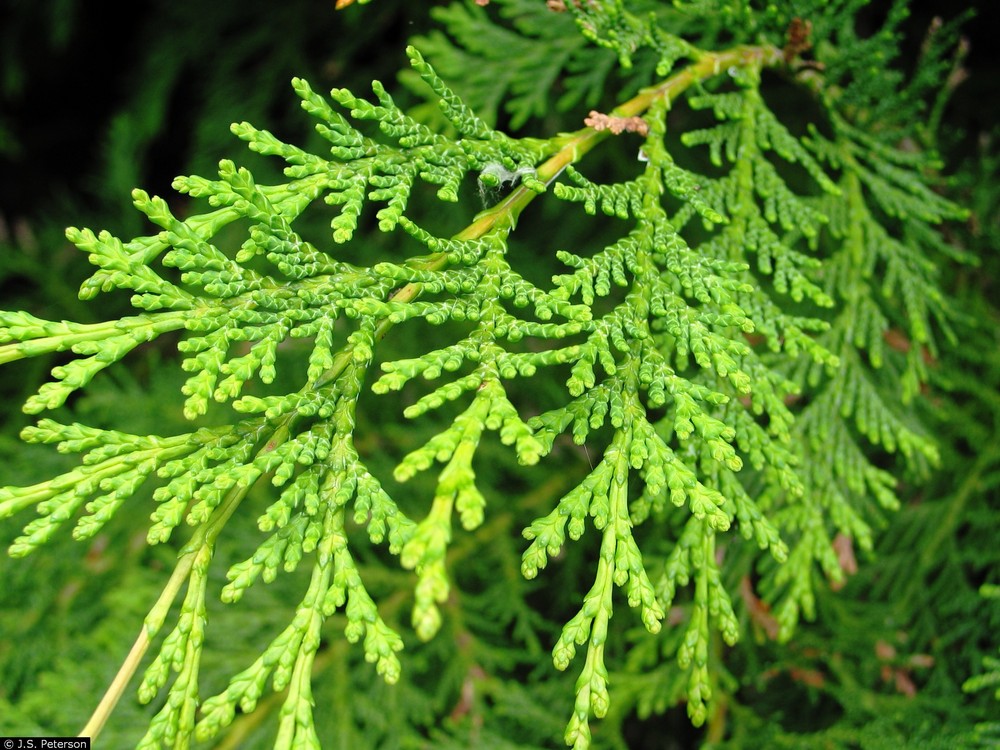
Cedar acts as a natural decongestant, helping to dissolve and expel phlegm common in sinus infections and head colds. It's beneficial in treating cystitis by removing bacteria from the bladder, owing to its antimicrobial and astringent properties. Cedar can stimulate the uterus, potentially inducing menstruation, making it unsafe during pregnancy. Recent research indicates cedar's potential in slowing cancer growth, particularly in colon and certain uterine cancers. Externally, cedar has been effective in treating warts and fungal infections, including ringworm. However, it should be used cautiously due to the presence of thujone, which can be toxic in large amounts, and its potential to cause tachycardia.
Medicinal Uses
Cedar serves as an effective natural decongestant, facilitating the breakdown and expulsion of phlegm, which is particularly beneficial during sinus infections and head colds. Its expectorant properties aid in clearing respiratory passages. Additionally, cedar is utilized in treating cystitis by eliminating bacteria in the bladder, attributed to its warm and moist conditions. The antimicrobial and astringent qualities of cedar not only help to clear infections but also enhance bladder tone.
Cedar has a stimulating effect on the uterus, potentially inducing contractions. This effect may be a direct action on the uterus or an indirect result of stimulating the gastrointestinal tract, which lies close to the uterus. As such, cedar can induce menstruation and is advised against during pregnancy due to the risk of stimulating uterine contractions.
Research into cedar's application in cancer treatment has shown promising results. In laboratory settings, cedar has been observed to enhance phagocytosis�the process where cells engulf and destroy bacteria�and exhibit antiviral properties. Historically, eclectic physicians have used cedar both internally and externally to not only slow cancer growth but in some cases, attempt to eliminate it, particularly in colon and certain uterine cancers, by injecting it directly into the affected areas.
For external ailments like warts and fungal infections, including ringworm, cedar has been a traditional remedy. Historical records, such as those by Grieve in 1931, mention the successful treatment of venereal warts through direct cedar injections, leading to their disappearance.
However, caution is advised with cedar use. It is contraindicated during pregnancy and should be avoided in large quantities due to the presence of thujone, which can be toxic. Individuals with a dry, irritating cough or those experiencing tachycardia (an abnormally fast heart rate) should also refrain from using cedar.
Benefits
dissolves phlegm, stimulates uterus, slows cancer growth, treats warts and fungal infections
How to Use & Dosage
- To prepare an infusion, use 1 teaspoon of the substance per cup.
- Steep it for 15 minutes with the cup covered.
- You can have 1 or 2 cups per day.
- When using a tincture, take 1 to 4 dropperfuls per day, but avoid long-term consumption.
- For warts, apply the tincture 2 times per day until they are gone.
More Info
Frequently asked questions
What is Cedar used for?
Cedar serves as an effective natural decongestant, facilitating the breakdown and expulsion of phlegm, which is particularly beneficial during sinus infections and head colds. Its expectorant properties aid in clearing respiratory passages. Additionally, cedar is utilized in treating cystitis by eliminating bacteria in the bladder, attributed to its warm and moist conditions.
What are the benefits of Cedar?
dissolves phlegm, stimulates uterus, slows cancer growth, treats warts and fungal infections
How do you take Cedar?
Common preparations include infusion, tincture. See the dosage guidance above, and consult a qualified practitioner for amounts suited to you.
This information is for general wellness and educational purposes only and is not medical advice. Consult a qualified healthcare provider before using any herb — especially if you are pregnant, nursing, or taking medication.
Learn more — more Pain Management herbs