Cardamom
Elettaria cardamomum · Zingiberaceae
Reviewed by The Sarv Health Team · Updated June 29, 2026 · Our editorial process
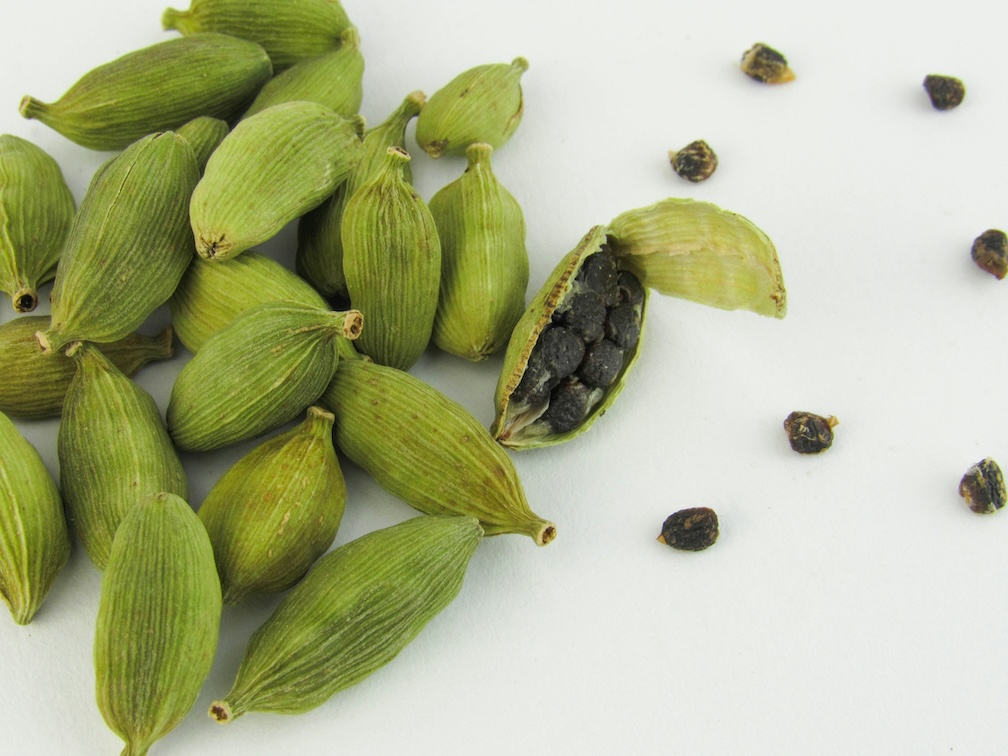
Cardamom is the fragrant seed pod of a plant in the ginger family, prized as both a beloved spice and a gentle warming medicine in Ayurvedic, Middle Eastern, and other traditions. Classified as pungent, sweet, and warming, it is above all a digestive aromatic, traditionally used to relieve gas, bloating, indigestion, and nausea, to stimulate appetite, and to settle the stomach. In Ayurveda it is valued for kindling digestion gently without aggravating heat, and for freshening the breath and sweetening the mouth. Cardamom is also used to support the respiratory system, easing coughs, congestion, and the heaviness of colds, and it is added to coffee and tea to balance their effects. It additionally has mild uplifting and detoxifying qualities. Its volatile oils, rich in cineole, underlie its warming, carminative effects. Warming and aromatic, cardamom is treasured as a remedy for digestion, fresh breath, and respiratory comfort.
Medicinal Uses
Cardamom is the aromatic seed pod of a tall perennial plant in the ginger family, native to the forests of southern India, and it has been treasured for thousands of years as both a culinary spice and a gentle medicine in Ayurvedic, Middle Eastern, and Greek traditions. Often called the queen of spices, it is classified as pungent, sweet, and warming.
The foremost medicinal use of cardamom is as a digestive aromatic. Its warming, carminative action makes it a classic remedy for gas, bloating, indigestion, stomach cramps, and nausea, and it is used to stimulate appetite and gently kindle the digestive fire. In Ayurveda it is particularly valued because it supports digestion without aggravating excess heat, and it is commonly added to rich or heavy foods to make them easier to digest.
Cardamom is also famous for freshening the breath and sweetening the mouth, and chewing the seeds is a traditional remedy for bad breath and a coated mouth, which also reflects its mild antimicrobial action in the mouth.
The spice is further used to support the respiratory system, helping to ease coughs, clear congestion, and relieve the heaviness associated with colds and excess mucus, and it is often combined with other warming spices for this purpose. It is commonly added to coffee and tea to balance their effects on the body.
Cardamom also has mild uplifting and gently detoxifying qualities in traditional use. Its effects come from its volatile oils, especially cineole and terpinyl acetate, which underlie its warming, carminative, and aromatic actions. Warming and aromatic, cardamom is treasured as a remedy for digestion, fresh breath, and respiratory comfort.
Benefits
Relieves gas, bloating, and indigestion, eases nausea, stimulates appetite, settles the stomach, kindles digestion gently, freshens the breath, supports the respiratory system, eases coughs and congestion, balances the effects of coffee and tea, has mild uplifting and detoxifying qualities
How to Use & Dosage
1/4 to 1/2 teaspoon of cardamom powder daily, in food or drinks.
Steep 1/2 teaspoon of crushed cardamom seeds or pods in hot water for 10 minutes. Drink 1-2 cups daily.
1-3 ml (about 20-60 drops), taken 2-3 times daily.
Chew a few cardamom seeds after meals for digestion and fresh breath.
More Info
Frequently asked questions
What is Cardamom used for?
Cardamom is the aromatic seed pod of a tall perennial plant in the ginger family, native to the forests of southern India, and it has been treasured for thousands of years as both a culinary spice and a gentle medicine in Ayurvedic, Middle Eastern, and Greek traditions. Often called the queen of spices, it is classified as pungent, sweet, and warming. The foremost medicinal use of cardamom is as a digestive aromatic.
What are the benefits of Cardamom?
Relieves gas, bloating, and indigestion, eases nausea, stimulates appetite, settles the stomach, kindles digestion gently, freshens the breath, supports the respiratory system, eases coughs and congestion, balances the effects of coffee and tea, has mild uplifting and detoxifying qualities
How do you take Cardamom?
Common preparations include powder, infusion, tincture, chewed seeds. See the dosage guidance above, and consult a qualified practitioner for amounts suited to you.
This information is for general wellness and educational purposes only and is not medical advice. Consult a qualified healthcare provider before using any herb — especially if you are pregnant, nursing, or taking medication.