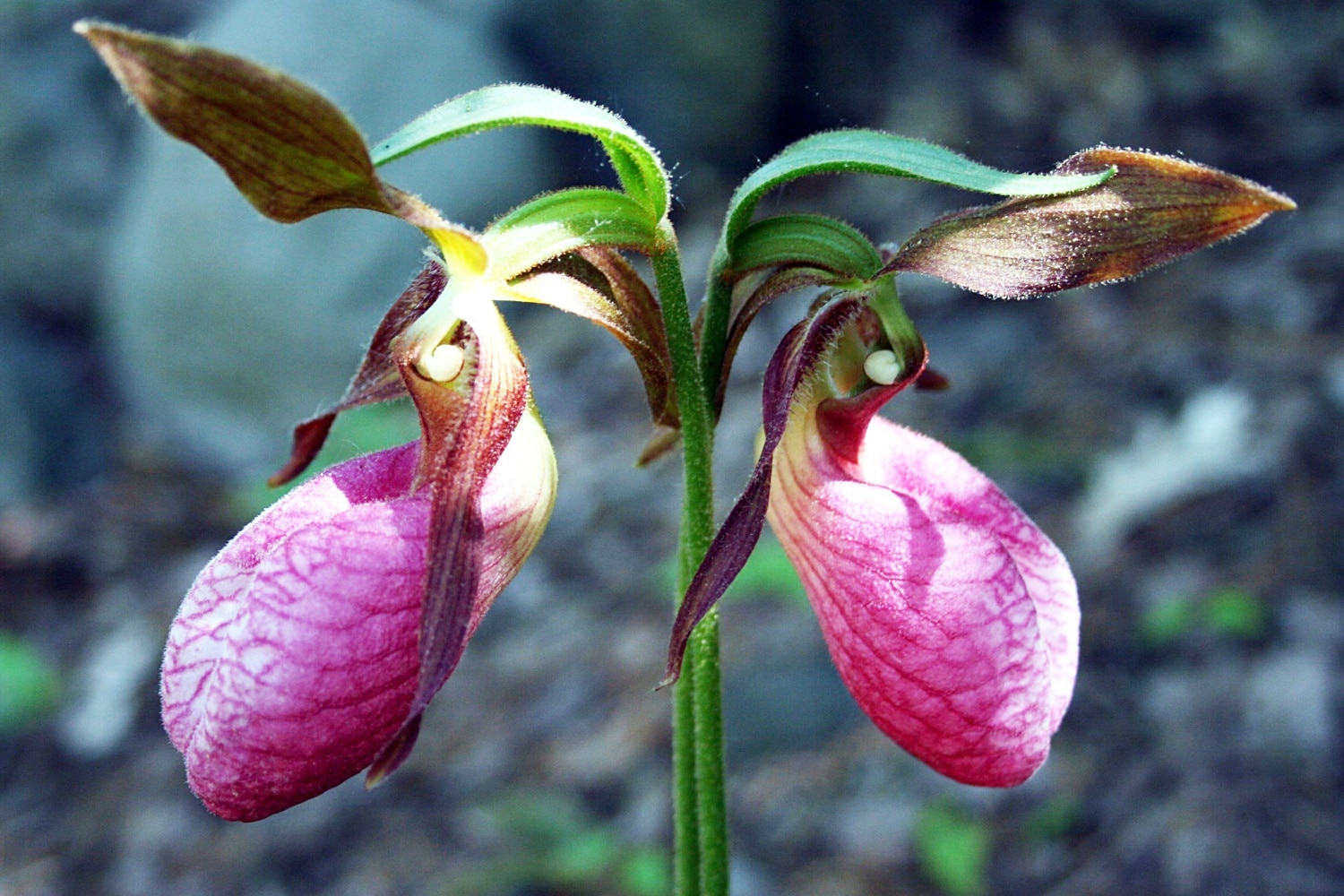
California poppy
Poppy
Reviewed by The Sarv Health Team · Our editorial process
The California poppy, known for its natural sedative and analgesic properties, has been traditionally used to promote relaxation, aid sleep, and relieve pain. Its compounds act on the nervous system to gently alleviate symptoms of insomnia, anxiety, and nervous agitation, offering a natural alternative to stronger sedatives. Additionally, its ability to ease pain makes it beneficial for treating headaches, toothaches, and joint pains. While it is commonly consumed as a tea, tincture, or extract, the California poppy's medicinal benefits extend beyond just its calming effects, hinting at potential roles in supporting the body's detoxification processes and improving liver and gallbladder functions.
Medicinal Uses
The California poppy, scientifically known as Eschscholzia californica, is not just a beautiful sight to behold but also harbors a range of medicinal benefits that have been recognized for centuries, particularly by Native American tribes. Traditionally, different parts of this plant, including its leaves, seeds, and flowers, have been used for their therapeutic properties. One of the most well-known uses of the California poppy is its ability to promote relaxation and sleep. The plant contains natural compounds that can act as mild sedatives, making it a popular herbal remedy for individuals struggling with insomnia, anxiety, or nervous agitation. By influencing the nervous system gently, it can help ease the mind and body into a more peaceful state, facilitating a natural and restful sleep without the harsh effects often associated with stronger pharmaceutical sedatives.
In addition to its calming effects, the California poppy possesses analgesic properties, meaning it can help relieve pain. This makes it a useful herb for addressing conditions like headaches, toothaches, and even joint pains. The analgesic effect is attributed to the plant’s ability to potentially block certain pain signals in the nervous system, offering a natural alternative to over-the-counter pain medications. Furthermore, some herbalists and natural health practitioners suggest that the California poppy might support the body's detoxification processes and improve gallbladder and liver functions, although more scientific research is needed to fully understand these benefits. Its application in herbal medicine is versatile, often consumed as a tea, tincture, or extract, showcasing the California poppy's role not just as a state flower, but as a plant with significant medicinal value.
Benefits
induces sleep, alleviates anxiety, relieves pain
How to Use & Dosage
1-2 teaspoons of dried herb per cup of water, up to 3 times daily.
0.5-2 ml three times daily.
More Info
Frequently asked questions
What is California poppy used for?
The California poppy, scientifically known as Eschscholzia californica, is not just a beautiful sight to behold but also harbors a range of medicinal benefits that have been recognized for centuries, particularly by Native American tribes. Traditionally, different parts of this plant, including its leaves, seeds, and flowers, have been used for their therapeutic properties. One of the most well-known uses of the California poppy is its ability to promote relaxation and sleep.
What are the benefits of California poppy?
induces sleep, alleviates anxiety, relieves pain
How do you take California poppy?
Common preparations include tea, tincture. See the dosage guidance above, and consult a qualified practitioner for amounts suited to you.
This information is for general wellness and educational purposes only and is not medical advice. Consult a qualified healthcare provider before using any herb — especially if you are pregnant, nursing, or taking medication.
Learn more — more Pain Management herbs