Blue cohosh
Caulophyllum thalictroides · Berberidaceae
Reviewed by The Sarv Health Team · Updated June 29, 2026 · Our editorial process
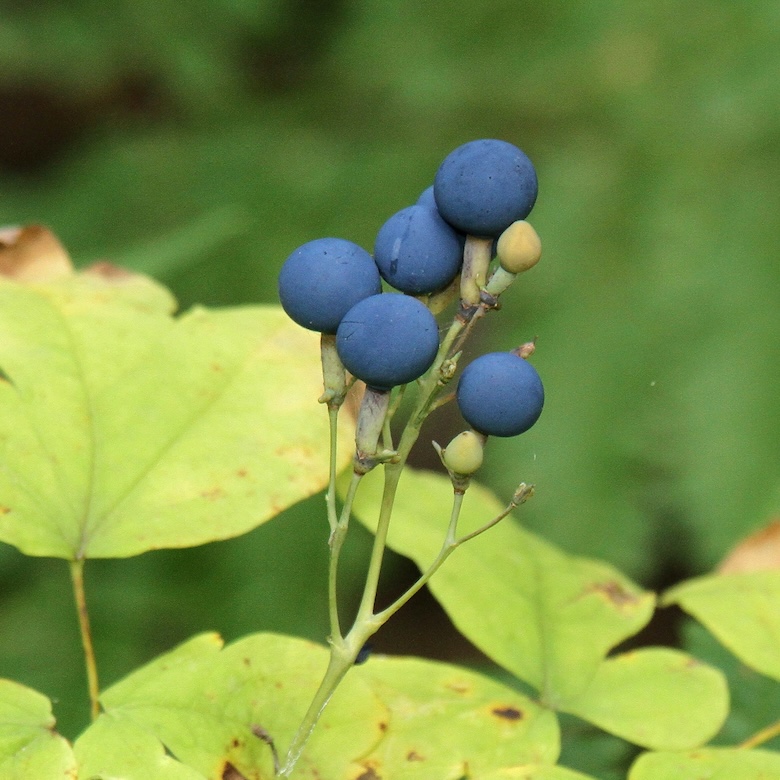
Blue cohosh is a North American woodland plant whose root was one of the most important women's remedies among Native American peoples and later Western herbalists, distinct from the unrelated black cohosh. Classified as bitter, pungent, and warming, it is a classic uterine tonic and antispasmodic, traditionally used to ease painful, cramping, and delayed menstruation and to relieve the spasmodic pain of the reproductive organs. Historically it was best known as a partus preparator, used by midwives in the final weeks of pregnancy and during labor to tone the uterus and encourage effective contractions, a use reserved for skilled practitioners. Blue cohosh has also been used for rheumatic and joint pain. Its saponins and alkaloids underlie its uterine and antispasmodic effects. This is a potent herb avoided in early and mid pregnancy and used only with professional guidance. Warming and antispasmodic, blue cohosh is treasured as a traditional uterine and menstrual remedy.
Medicinal Uses
Blue cohosh is a perennial woodland plant of eastern North America whose knotted root and rhizome were among the most valued women's medicines of several Native American peoples, who passed its use on to Western herbalists. It should not be confused with black cohosh, an unrelated plant with different actions. Blue cohosh is classified as bitter, pungent, and warming.
The foremost traditional medicinal use of blue cohosh is as a uterine tonic and antispasmodic for the female reproductive system. It has long been used to ease painful, cramping, and spasmodic menstruation, to encourage delayed or scanty menstruation, and to relieve uterine and ovarian pain, working to relax spasm while toning the reproductive organs.
Historically, blue cohosh was best known as a partus preparator, an herb used by midwives in the last weeks of pregnancy and during labor to tone the uterus and promote effective, coordinated contractions and to assist childbirth. This is a traditional use that belongs firmly in the hands of experienced practitioners.
The herb has also been used for rheumatic, arthritic, and joint pain, reflecting its antispasmodic and anti-inflammatory qualities, and for certain nervous and cramping complaints.
Blue cohosh contains saponins and alkaloids that underlie its uterine-stimulating and antispasmodic effects. It is a potent herb that is specifically avoided in early and mid pregnancy and is used only under knowledgeable professional guidance. Warming and antispasmodic, blue cohosh is treasured as a traditional uterine and menstrual remedy.
Benefits
Tones the uterus, eases painful and cramping menstruation, relieves uterine and ovarian spasm and pain, encourages delayed or scanty menstruation, traditionally used by midwives to support labor, eases rheumatic and joint pain, relieves spasmodic complaints
How to Use & Dosage
300-1000 mg per day, divided into doses.
1-2 ml (about 20-40 drops), taken up to 3 times daily.
Simmer 1/2 to 1 teaspoon of dried blue cohosh root in water for 15-20 minutes. Drink up to 1 cup daily.
More Info
Frequently asked questions
What is Blue cohosh used for?
Blue cohosh is a perennial woodland plant of eastern North America whose knotted root and rhizome were among the most valued women's medicines of several Native American peoples, who passed its use on to Western herbalists. It should not be confused with black cohosh, an unrelated plant with different actions. Blue cohosh is classified as bitter, pungent, and warming.
What are the benefits of Blue cohosh?
Tones the uterus, eases painful and cramping menstruation, relieves uterine and ovarian spasm and pain, encourages delayed or scanty menstruation, traditionally used by midwives to support labor, eases rheumatic and joint pain, relieves spasmodic complaints
How do you take Blue cohosh?
Common preparations include capsules, tincture, decoction. See the dosage guidance above, and consult a qualified practitioner for amounts suited to you.
This information is for general wellness and educational purposes only and is not medical advice. Consult a qualified healthcare provider before using any herb — especially if you are pregnant, nursing, or taking medication.
Learn more — more Pain Management herbs