Black seed
Nigella sativa · Ranunculaceae
Reviewed by The Sarv Health Team · Updated June 29, 2026 · Our editorial process
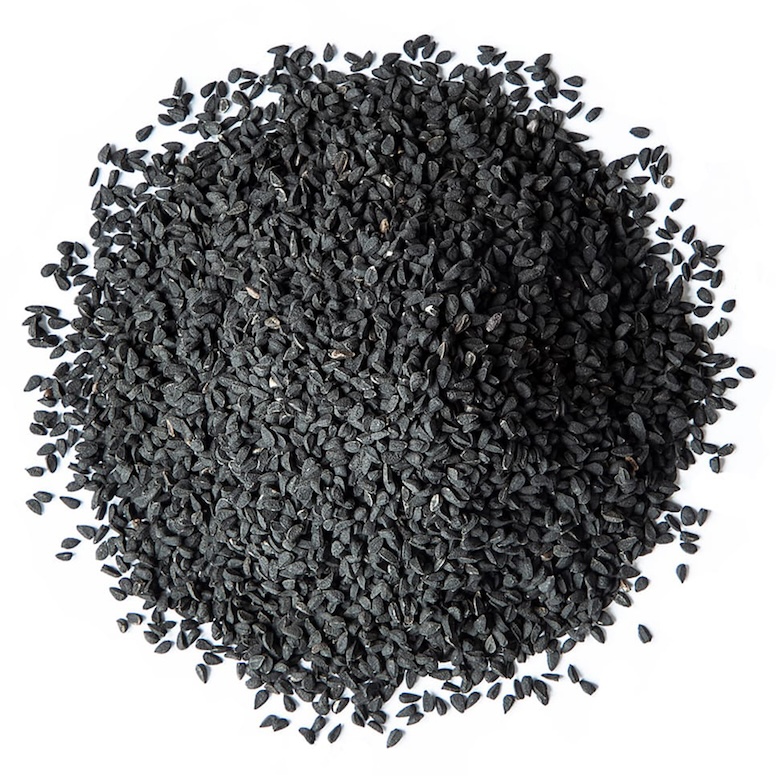
Black seed is the small black seed of an annual flowering plant, used for thousands of years across the Middle East, North Africa, and South Asia, and famously described in prophetic tradition as a remedy for every ailment but death. Classified as pungent and warming, it is one of the most versatile traditional medicines, valued especially for the immune system, respiratory tract, and digestion. It is widely used to support immunity, ease allergies, asthma, and respiratory congestion, and to soothe the digestive system, relieving bloating, gas, and indigestion. Black seed and its oil are also used to support healthy blood sugar, cholesterol, blood pressure, and skin, and to provide broad anti-inflammatory and antioxidant protection. Its key compound, thymoquinone, underlies many of these wide-ranging effects. Warming and strengthening, black seed is treasured as a remedy for immunity, respiratory and allergic conditions, digestion, and overall wellbeing.
Medicinal Uses
Black seed is the tiny black seed of an annual flowering plant in the buttercup family, and it ranks among the oldest and most widely used remedies in the world, with a history spanning ancient Egypt, the Middle East, North Africa, and South Asia. It is famously described in Islamic prophetic tradition as a cure for every illness except death, and it is classified as pungent and warming.
A foremost medicinal use of black seed is supporting the immune system and the respiratory tract. It is traditionally used to strengthen immunity and resistance to illness, and to ease respiratory conditions including allergies, hay fever, asthma, bronchitis, coughs, and nasal and chest congestion, where its anti-inflammatory and bronchodilating qualities help open and soothe the airways.
Black seed is also a valued digestive remedy. It is used to relieve bloating, gas, indigestion, and cramping, to stimulate appetite and healthy digestion, and to support the stomach and intestines, and it has traditional use against intestinal parasites.
The seed and its oil are further used to support metabolic and cardiovascular health, including healthy blood sugar, cholesterol, and blood pressure, and to nourish and protect the skin and hair, both taken internally and applied externally for conditions such as eczema and dryness.
Black seed's wide-ranging effects are attributed largely to thymoquinone, its principal active compound, along with volatile oils and fatty acids, which provide anti-inflammatory, antioxidant, antimicrobial, and immune-modulating actions. Warming and strengthening, black seed is treasured as a remedy for immunity, respiratory and allergic conditions, digestion, and overall wellbeing.
Benefits
Supports the immune system, eases allergies and hay fever, helps with asthma and respiratory congestion, soothes the digestive system, relieves bloating, gas, and indigestion, supports healthy blood sugar, cholesterol, and blood pressure, nourishes the skin and hair, provides anti-inflammatory and antioxidant protection
How to Use & Dosage
1/2 to 1 teaspoon (2.5-5 ml) of black seed oil, taken 1-2 times daily.
1/4 to 1/2 teaspoon (1-3 grams) of black seeds daily, whole or ground, in food or with honey.
Apply black seed oil to affected skin or scalp as needed.
500-1000 mg of black seed oil, taken 1-2 times daily.
More Info
Frequently asked questions
What is Black seed used for?
Black seed is the tiny black seed of an annual flowering plant in the buttercup family, and it ranks among the oldest and most widely used remedies in the world, with a history spanning ancient Egypt, the Middle East, North Africa, and South Asia. It is famously described in Islamic prophetic tradition as a cure for every illness except death, and it is classified as pungent and warming. A foremost medicinal use of black seed is supporting the immune system and the respiratory tract.
What are the benefits of Black seed?
Supports the immune system, eases allergies and hay fever, helps with asthma and respiratory congestion, soothes the digestive system, relieves bloating, gas, and indigestion, supports healthy blood sugar, cholesterol, and blood pressure, nourishes the skin and hair, provides anti-inflammatory and antioxidant protection
How do you take Black seed?
Common preparations include oil, seeds, topical, capsules. See the dosage guidance above, and consult a qualified practitioner for amounts suited to you.
This information is for general wellness and educational purposes only and is not medical advice. Consult a qualified healthcare provider before using any herb — especially if you are pregnant, nursing, or taking medication.
Learn more — more Pain Management herbs