Black pepper
Piper nigrum · Piperaceae
Reviewed by The Sarv Health Team · Updated July 6, 2026 · Our editorial process
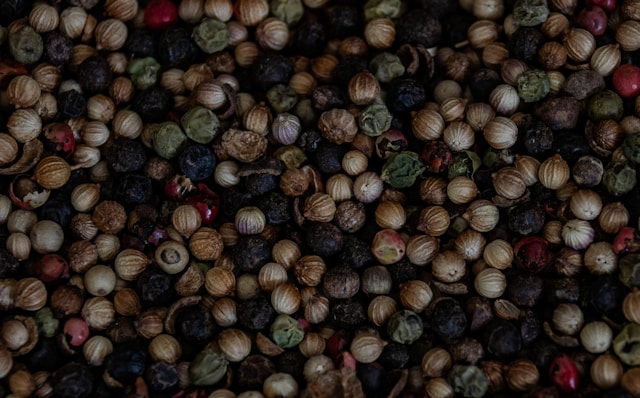
Black pepper is one of the world's oldest and most widely traded spices, and in both Ayurveda and traditional medicine it is far more than a seasoning. Pungent and warming, it is a classic digestive stimulant that kindles the digestive fire, relieves gas and bloating, and improves appetite and the breakdown of food. Its defining compound, piperine, is a powerful bioavailability enhancer that markedly increases the absorption of many nutrients and plant compounds, most famously the curcumin in turmeric, which is why the two are so often combined. Black pepper is also warming and stimulating to the circulation and respiration, traditionally used to clear cold, damp congestion, coughs, and sinus stuffiness. It offers antioxidant and anti-inflammatory benefits and may support metabolism. Warming, pungent, and activating, black pepper is treasured as a digestive stimulant and as the great enhancer of other herbs and nutrients.
Medicinal Uses
Black pepper is the dried unripe fruit of a tropical vine native to India, prized for millennia as both a culinary spice and a medicine. In Ayurveda it is one of the three ingredients of trikatu, the classic warming digestive formula, and it is valued as pungent, heating, and stimulating. Its principal active compound is the alkaloid piperine, responsible for both its pungency and much of its medicinal action.
The primary medicinal use of black pepper is as a digestive stimulant. It kindles the digestive fire (agni), stimulates the secretion of digestive enzymes and hydrochloric acid, and helps relieve gas, bloating, sluggish digestion, and poor appetite. As a carminative it eases griping and supports the comfortable breakdown and assimilation of food.
Black pepper's most celebrated modern use is as a bioavailability enhancer. Piperine significantly increases the absorption of a wide range of nutrients and plant compounds, most famously curcumin from turmeric, whose uptake it can increase many times over. For this reason black pepper is frequently combined with turmeric and other herbs and supplements to make them more effective.
As a warming, stimulating herb it also supports the circulation and the respiratory tract. It is traditionally used to warm the body, promote sweating, and clear cold, damp congestion, easing coughs, colds, and sinus stuffiness.
Black pepper further provides antioxidant and anti-inflammatory effects and is being studied for its role in supporting healthy metabolism. Warming, pungent, and activating, it is treasured as a digestive tonic and as the great enhancer that helps other herbs and nutrients work more fully.
Benefits
Stimulates digestion and appetite, relieves gas and bloating, kindles the digestive fire, dramatically enhances the absorption of curcumin and other nutrients, warms the body and stimulates circulation, clears cold and damp congestion, eases coughs and colds, provides antioxidant protection, reduces inflammation, may support metabolism
How to Use & Dosage
1/4 to 1/2 teaspoon of ground black pepper daily, often with warm water, honey, or turmeric.
Combined with dried ginger and long pepper as directed in traditional Ayurvedic formulas.
5-20 mg of piperine per day, often standardized in bioavailability supplements.
Freshly ground black pepper added generously to food, especially alongside turmeric.
More Info
Frequently asked questions
What is Black pepper used for?
Black pepper is the dried unripe fruit of a tropical vine native to India, prized for millennia as both a culinary spice and a medicine. In Ayurveda it is one of the three ingredients of trikatu, the classic warming digestive formula, and it is valued as pungent, heating, and stimulating. Its principal active compound is the alkaloid piperine, responsible for both its pungency and much of its medicinal action.
What are the benefits of Black pepper?
Stimulates digestion and appetite, relieves gas and bloating, kindles the digestive fire, dramatically enhances the absorption of curcumin and other nutrients, warms the body and stimulates circulation, clears cold and damp congestion, eases coughs and colds, provides antioxidant protection, reduces inflammation, may support metabolism
How do you take Black pepper?
Common preparations include powder, trikatu, capsules, culinary. See the dosage guidance above, and consult a qualified practitioner for amounts suited to you.
This information is for general wellness and educational purposes only and is not medical advice. Consult a qualified healthcare provider before using any herb — especially if you are pregnant, nursing, or taking medication.
Learn more — more Pain Management herbs