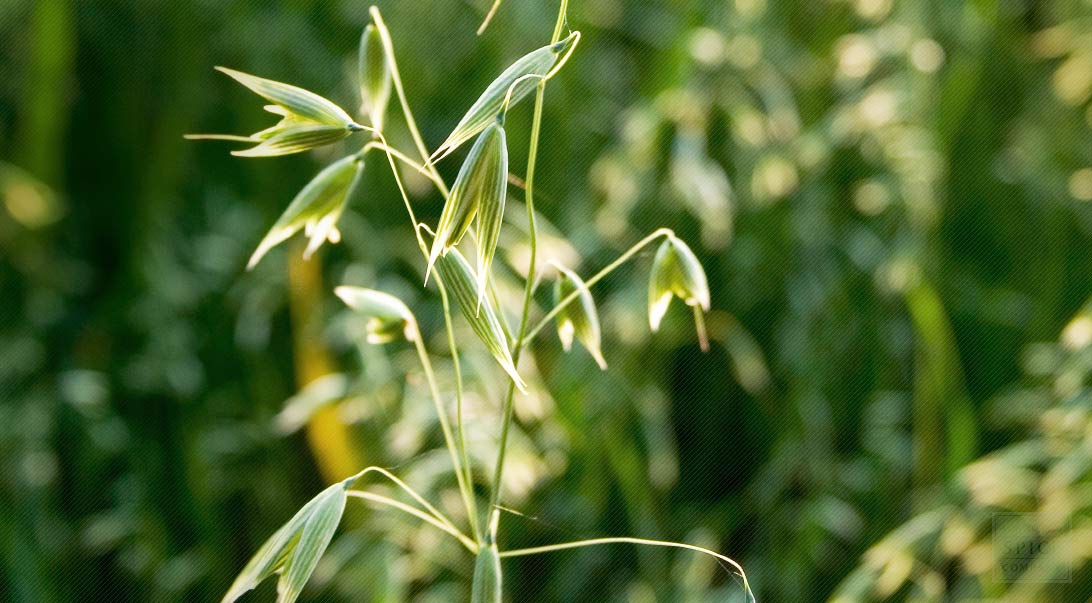
Alfalfa
Fabaceae
Reviewed by The Sarv Health Team · Our editorial process
Alfalfa, known for its rich nutrient profile, is beneficial for various health aspects. It enhances bone health due to its high content of vitamin K, calcium, and magnesium, making it effective in preventing and managing osteoporosis. Alfalfa also supports cardiovascular health by lowering LDL cholesterol and potentially raising HDL cholesterol through its saponins, reducing the risk of heart disease. Additionally, it acts as a diuretic, aiding in the elimination of excess fluids and toxins, which supports kidney health and urinary function. Its rich vitamin and mineral content promotes digestive health and detoxifies the liver. However, caution is advised for those with autoimmune diseases or hormone-sensitive conditions due to its immune-stimulating and hormonal effects.
Medicinal Uses
Alfalfa, scientifically known as *Medicago sativa*, is often referred to as the "father of all foods" due to its high nutrient content and extensive health benefits. This herb is rich in vitamins A, C, E, and K4, and includes minerals like calcium, potassium, phosphorus, and iron, making it a nutrient powerhouse.
One of the primary medicinal uses of alfalfa is for improving bone health. Its high vitamin K content is essential for bone formation and repair, making alfalfa a beneficial supplement for preventing or managing osteoporosis. Additionally, the minerals found in alfalfa, such as calcium and magnesium, are crucial for maintaining healthy bones and joints. It also has a significant impact on cardiovascular health. It contains saponins, which are known for their ability to lower bad cholesterol (LDL) levels while potentially increasing good cholesterol (HDL). This cholesterol-regulating effect can help prevent atherosclerosis (hardening of the arteries), thereby reducing the risk of heart disease.
Furthermore, alfalfa is recognized for its role in detoxification. It acts as a diuretic, helping the body eliminate excess fluid and toxins through increased urine production. This can support kidney health and help prevent urinary tract infections.
Alfalfa's rich vitamin and mineral content also supports good digestive health by aiding in the proper assimilation of food and relief of indigestion. Moreover, its high chlorophyll content can help freshen breath and detoxify the liver. Despite its benefits, alfalfa should be used cautiously, especially by those with autoimmune disorders or hormonal-sensitive conditions, as it contains compounds that can stimulate the immune system and affect hormone levels.
In summary, alfalfa is a versatile herb that offers multiple health benefits, including enhancing bone health, lowering cholesterol, aiding detoxification, and supporting digestive health. However, consulting with a healthcare provider before starting any new herbal supplement, especially alfalfa, is advisable to ensure it is appropriate for your specific health needs.
Benefits
Supports digestion, reduces cholesterol levels, helps manage blood sugar levels, boosts immune function, has anti-inflammatory properties, promotes detoxification, supports heart health, provides antioxidant protection, aids in weight management, supports bone health, alleviates menopausal symptoms, enhances skin health, supports urinary health, provides essential vitamins and minerals, supports healthy hair growth
How to Use & Dosage
Use 1-2 teaspoons of dried alfalfa per cup of boiling water, steeped for 10-15 minutes. It’s common to drink 1-3 cups daily.
1-2 tablespoons of the powder are used per day.
Typical dosages range from 500 mg to 1000 mg taken 1-3 times daily.
1-2 ml, taken 1-3 times daily.
More Info
Frequently asked questions
What is Alfalfa used for?
Alfalfa, scientifically known as *Medicago sativa*, is often referred to as the "father of all foods" due to its high nutrient content and extensive health benefits. This herb is rich in vitamins A, C, E, and K4, and includes minerals like calcium, potassium, phosphorus, and iron, making it a nutrient powerhouse. One of the primary medicinal uses of alfalfa is for improving bone health.
What are the benefits of Alfalfa?
Supports digestion, reduces cholesterol levels, helps manage blood sugar levels, boosts immune function, has anti-inflammatory properties, promotes detoxification, supports heart health, provides antioxidant protection, aids in weight management, supports bone health, alleviates menopausal symptoms, enhances skin health, supports urinary health, provides essential vitamins and minerals, supports healthy hair growth
How do you take Alfalfa?
Common preparations include tea, powder, capsules, tincture. See the dosage guidance above, and consult a qualified practitioner for amounts suited to you.
This information is for general wellness and educational purposes only and is not medical advice. Consult a qualified healthcare provider before using any herb — especially if you are pregnant, nursing, or taking medication.
Learn more — more Pain Management herbs