Medically reviewed by the Sarv Health Team · Our editorial process
White Willow Bark: Nature's Aspirin?
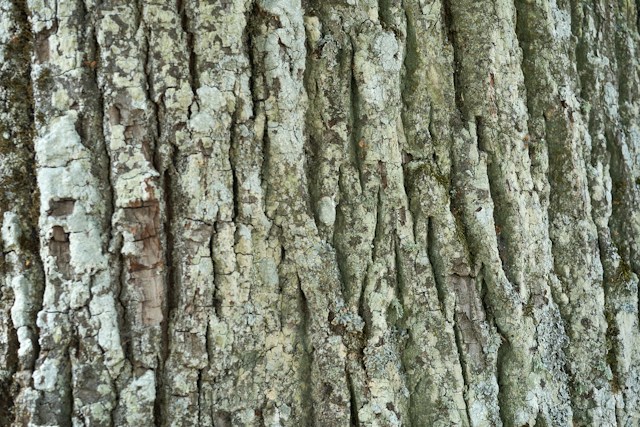
Yes and no. Aspirin's chemical ancestor, salicin, really does come from willow bark, and standardized willow bark extract probably helps short-term low back pain. But it's weaker, slower, and it doesn't thin your blood the way aspirin does. It cannot replace a daily cardiac aspirin.
The nickname is doing a lot of work, and some of what it implies is wrong in ways that matter.
Is white willow bark really where aspirin came from?
Partly. The real story is stranger than the one on the supplement label.
Start with what probably didn't happen. You'll read everywhere that Hippocrates prescribed willow bark for pain and gave it to women in labor. His surviving writings contain a single mention of willow, and it involves smoke from burned leaves for a gynecological purpose, not pain relief at all. The legend persists because we know salicin is in willow, so every ancient reference to willow gets read backwards through that knowledge.
What's documented begins in the 1750s, when an English clergyman named Edward Stone tried dried white willow bark (Salix alba) on people with fever and reported his results to the Royal Society in 1763. Drying the bark had concentrated the active compounds, which is likely why it worked well enough to notice.
Italian chemists extracted the active substance in 1826. Johann Buchner named it salicin in 1828, after the Latin for willow, and Henri Leroux produced it in pure crystalline form the following year. Chemists then converted salicin into salicylic acid, which worked but was famously brutal on the stomach. In 1897 a Bayer chemist acetylated it, producing acetylsalicylic acid, and Bayer registered the name Aspirin in 1899.
Here's the twist. That name doesn't come from willow. The "spir" is from Spiraea, the old genus name for meadowsweet, another salicylate-rich plant that German chemists were also working with. So aspirin is named after a different plant from the one everybody credits.
How does it actually work?
Salicin is a prodrug, meaning it does nothing until your body changes it. Gut bacteria and your liver convert it into salicylic acid, which is the compound that reduces pain and inflammation. Willow bark also contains flavonoids and polyphenols that appear to contribute, and laboratory work shows the extract dampening inflammatory signals including TNF-alpha and COX-2.
Now the difference that matters more than any of that.
Aspirin works partly by permanently acetylating the COX-1 enzyme inside platelets. Platelets can't make new enzyme, so a single low dose disables them for their whole lifespan, which is roughly a week. That irreversible switch is the entire basis of daily aspirin for heart attack and stroke prevention.
Salicylic acid from willow bark doesn't do that. It inhibits the same family of enzymes, but reversibly and temporarily. A Cochrane review noted willow bark's minimal effect on platelet function compared with cardioprotective aspirin. Same chemical family, genuinely different drug.
What is white willow bark actually good for?
The evidence is narrower than the reputation, and it points at one condition.
- Low back pain is the real answer. A Cochrane review found willow bark probably better than placebo for short-term pain relief and for reducing the need for rescue painkillers, at doses standardized to 120 to 240 mg of salicin daily. In one trial it performed roughly on par with rofecoxib, a prescription anti-inflammatory later pulled from the market. Cochrane rated this moderate-quality evidence, which is genuinely good for a herb.
- Arthritis is where it falls down, and this deserves more attention than it gets. Two randomized double-blind trials tested willow bark at 240 mg of salicin daily, the top of the effective range. In 127 people with osteoarthritis, pain fell 17% on willow bark and 10% on placebo, a difference that wasn't statistically significant. Diclofenac in the same trial cut pain by 47%. In 26 people with rheumatoid arthritis, willow bark again failed to separate from placebo.
So the honest summary is specific: reasonable evidence for short-term low back pain, negative trials for osteoarthritis and rheumatoid arthritis. Any article telling you willow bark is a proven arthritis remedy is skipping the trials that tested exactly that.
Can it replace your daily aspirin?
No, and this is the most important paragraph on this page.
Memorial Sloan Kettering states plainly that willow bark should not be used as a substitute for aspirin, partly because potency varies so much between products. Add the pharmacology above and the case closes: willow bark doesn't produce the lasting platelet inhibition that makes low-dose aspirin protective after a heart attack or stroke.
If a doctor has you on daily aspirin, that prescription is doing a job willow bark cannot do. Swapping one for the other is not a gentler version of the same thing. It's stopping a preventive medication.
How do you take it?
Look for extracts standardized to salicin content rather than milligrams of bark, because the salicin in raw willow bark varies enormously by species, season, and harvest. The trial range is 120 to 240 mg of salicin daily, usually split across the day.
Traditional herbal practice uses the bark as a decoction or tincture, and reference works such as the British Herbal Pharmacopoeia describe roughly 2 to 4 g of dried bark or 1 to 2 ml of tincture three times daily. Those preparations have centuries of use behind them, but they're not what the clinical trials measured, and their salicin content is anyone's guess.
Give it one to two weeks of consistent use for back pain. Willow bark is not a grab-it-when-it-hurts painkiller, and treating it like one is the usual route to disappointment.
Safety, side effects and interactions
Willow bark carries most of aspirin's cautions without aspirin's predictability, which is an awkward combination.
- Don't take it if you're allergic or sensitive to aspirin. Salicylate cross-reactivity is real, and case reports include anaphylaxis and respiratory distress.
- Not for children or teenagers, particularly with a fever or viral illness, because of the link between salicylates and Reye's syndrome. MSK documents a case of fatal liver failure in a young child. This is not a theoretical caution.
- Asthma that worsens with aspirin or NSAIDs is a reason to avoid it.
- Blood thinners and NSAIDs. Avoid combining with warfarin, and be careful alongside regular aspirin or ibuprofen, since you're stacking drugs that irritate the stomach lining and affect bleeding. Stop willow bark at least two weeks before planned surgery or dental work.
- Stomach ulcers, kidney disease, and gout all warrant a conversation with a clinician first. Salicylates can irritate the gut and affect uric acid handling.
- Pregnancy and breastfeeding. Avoid. Salicylates in later pregnancy carry specific concerns, and there's no good safety data for the extract.
The most common everyday complaints are digestive upset, and occasionally itching or a rash.
Who should skip it entirely
Anyone on daily aspirin for heart protection, anyone with an aspirin or salicylate allergy, children and teenagers, pregnant and breastfeeding people, and anyone taking anticoagulants. If you have osteoarthritis or rheumatoid arthritis specifically, the trials suggest your effort is better spent elsewhere.
See a doctor rather than self-treating if back pain comes with numbness, leg weakness, or any change in bladder or bowel control, or if it follows a fall or accident.
A whole-person note
Back pain is the one condition where willow bark has decent evidence, and it's also the condition where the non-herbal inputs do the heaviest lifting. Staying gently active beats bed rest for most episodes. Sleep matters, because pain and poor sleep reinforce each other. And most back pain improves within weeks regardless of what you take, which is worth knowing before you credit any remedy with the recovery.
Willow bark can make those weeks more bearable. That's a real thing to offer, and it's a smaller claim than the label makes.
Sources
- Herbal medicine for low-back pain (Cochrane Review)
- Willow Bark (Memorial Sloan Kettering, About Herbs)
- Efficacy and safety of willow bark extract in the treatment of osteoarthritis and rheumatoid arthritis: results of 2 randomized double-blind controlled trials (The Journal of Rheumatology, 2004)
- Hippocrates and willow bark? What you know about the history of aspirin is probably wrong (The Conversation)
- Aspirin: Turn-of-the-Century Miracle Drug (Science History Institute)
Frequently asked questions
Is white willow bark as strong as aspirin?
No. It's weaker and slower, and the salicin content varies between products in a way that standardized aspirin doesn't. It also lacks aspirin's lasting effect on platelets, so it offers no cardiovascular protection.
How long does white willow bark take to work?
Give it one to two weeks of consistent daily use for back pain rather than expecting relief within an hour. Trials ran for weeks, not hours, which is a different pattern from an over-the-counter painkiller.
Can I take willow bark with ibuprofen?
Best not to without asking a pharmacist. You'd be combining two salicylate-family or NSAID-type effects, which raises the risk of stomach irritation and bleeding without adding much pain relief.
This article is for general wellness and educational purposes only and is not medical advice. Consult a qualified healthcare provider before using herbs — especially if you are pregnant, nursing, or taking medication.