Medically reviewed by the Sarv Health Team · Our editorial process
Turmeric Latte for Inflammatory Diseases Such as Arthritis
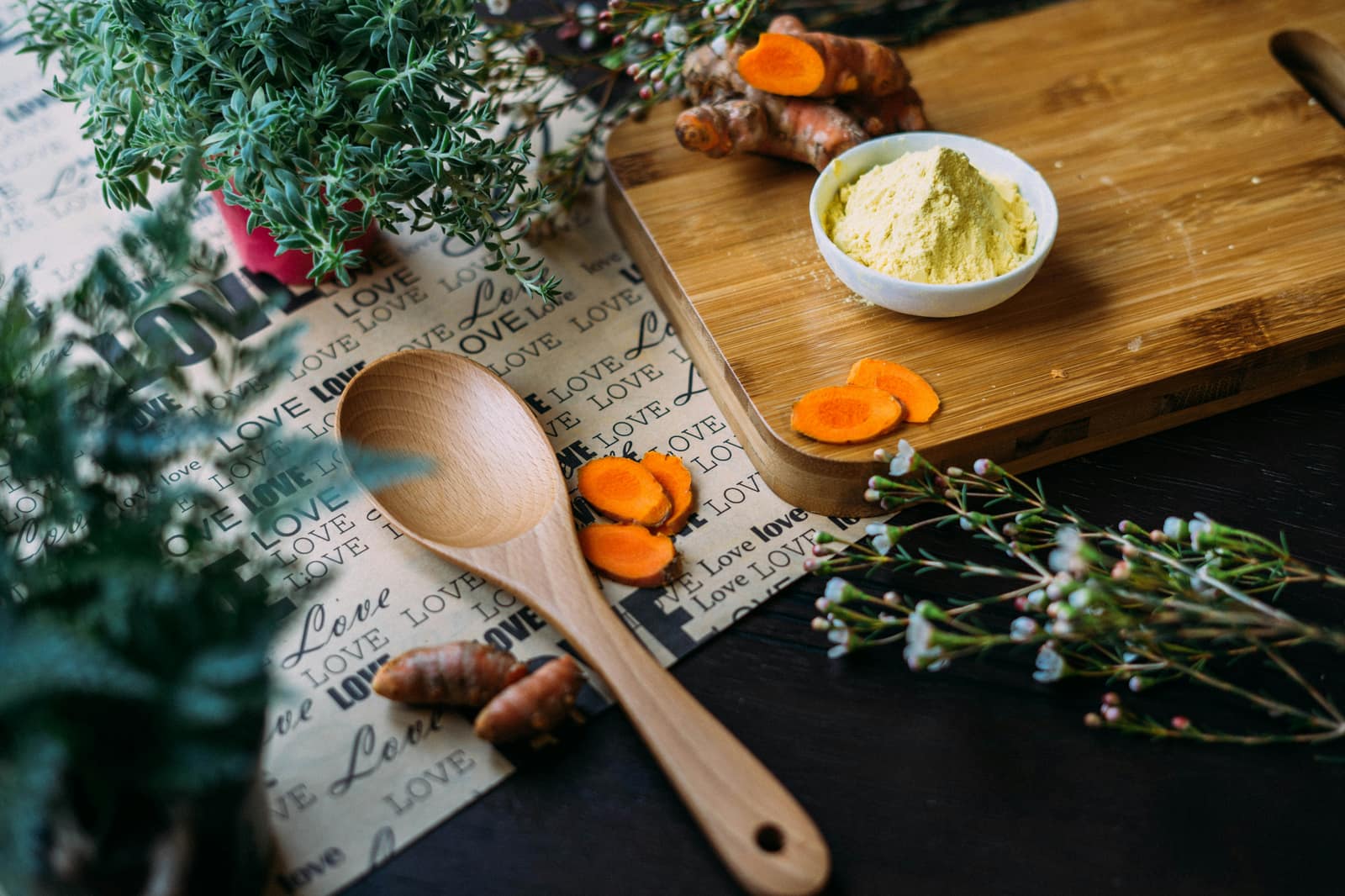
Historically, turmeric has been utilized in Ayurvedic and traditional Chinese medicine to address liver and gallbladder issues, including jaundice. Recognized for its sharp, warm, and drying qualities, it was also applied to alleviate chest colds and coughs. Its significant anti-inflammatory effects, which recent research attributes to the enhancement of the body's sensitivity to cortisol, render turmeric a potent remedy for arthritis, osteoarthritis, and various inflammatory disorders. Studies have indicated that turmeric can be more effective than hydrocortisone without the associated negative effects.
Curcumin, a key component of turmeric, acts as a potent topical antibacterial and possesses antioxidant capabilities surpassing those of vitamin E. It is also emerging as a formidable opponent against several cancer types, including those of the breast, colon, prostate, and skin. Notably, a 2009 study published in the British Journal of Cancer demonstrated curcumin's ability to eradicate esophageal cancer cells within 24 hours. Further research has revealed its potential to curb the growth of lymphoma cells. Clinical trials from the late 1980s in China suggest turmeric's role in reducing blood cholesterol levels and its anticoagulant properties, which may prevent dangerous blood clots and reduce stroke risk.
Turmeric is frequently employed as a digestive aid due to its warming, sharp, and slightly bitter nature. It stimulates bile production, facilitating the digestion of fats and oils, and maintains the digestive tract's microflora, preventing yeast proliferation. This explains its widespread use in global cuisine.
Although turmeric's immune-boosting properties have been somewhat overshadowed in North America by the fame of echinacea, its long-standing reputation for enhancing immune function is gaining recognition. As turmeric becomes more accessible and well-known, its popularity in the United States as an immune-supportive herb is on the rise.
The Recipe
This traditional Ayurvedic beverage is utilized for its therapeutic properties, specifically to address inflammation, including conditions like arthritis and bursitis, and to bolster the immune system.
- 1⁄4 cup turmeric root powder
- Almond oil
- Milk (cow’s, almond, or coconut)
- Honey (optional)
How to the turmeric base
Mix the turmeric with 1⁄2 cup of water in a saucepan and bring it to a boil. Then, reduce the heat and let it simmer until it forms a dense paste. Once cooled, transfer the paste into a glass jar and keep it refrigerated.
How to Consume
For a single serving, blend 1⁄2 to 1 teaspoon of the turmeric paste with 1 teaspoon of almond oil and 1 cup of milk. You can add honey for sweetness if desired. Blend the mixture until it becomes frothy.
Safety Tips
Turmeric has been a favored spice for centuries and doesn't have any significant downsides. However, due to its warming and drying characteristics, some may find it too intense in these aspects. If this is the case, consider pairing it with a herb that boosts moisture, like marshmallow root, or simply increase your water consumption to balance its effects.
Sources
- CM White,, et al. Oral turmeric/curcumin effects on inflammatory markers in chronic inflammatory diseases: a systematic review and meta-analysis of randomized controlled trials, Pharmacological Research, 2019.
- E Hay, et al. Therapeutic effects of turmeric in several diseases: An overview, Chemico-Biological Interactions, 2019.
- Gladstar, R., Herbal Recipes for Vibrant Health, Storey Publishing. 2008.
- A Shehzad, G Rehman, YS Lee, Curcumin in inflammatory diseases, Biofactors, 2013.
- Y Peng, et al. Anti-inflammatory effects of curcumin in the inflammatory diseases: Status, limitations and countermeasures, Drug Design, Development and Therapy, 2021.
- Y He, Y Yue, X Zheng, K Zhang, S Chen, Z Du , Curcumin, inflammation, and chronic diseases: how are they linked?, Molecules, 2015.
This article is for general wellness and educational purposes only and is not medical advice. Consult a qualified healthcare provider before using herbs — especially if you are pregnant, nursing, or taking medication.