Medically reviewed by the Sarv Health Team · Our editorial process
Tinctures
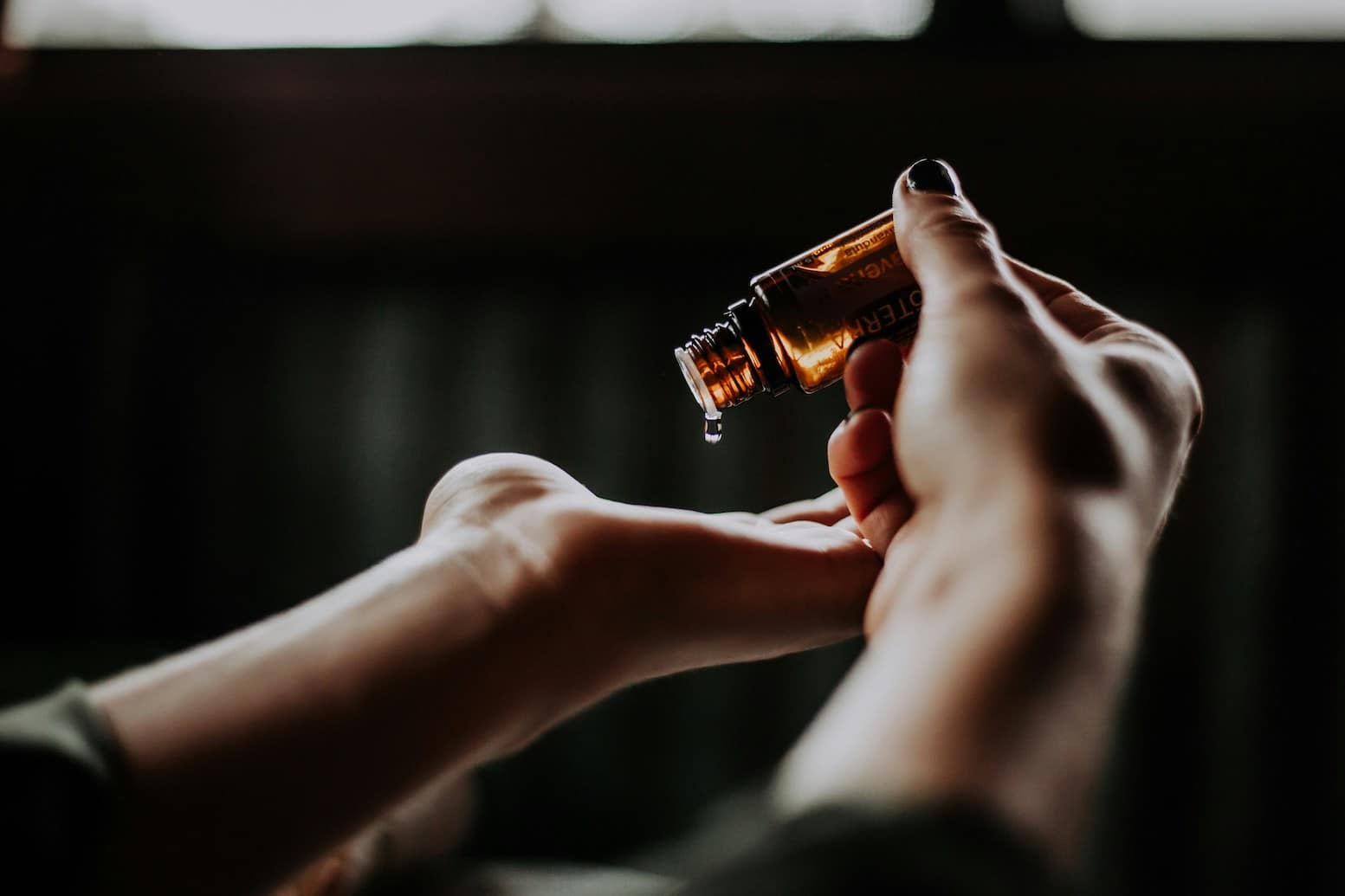
Tinctures are highly concentrated herbal extracts that are commonly used for internal herbal treatments. They're straightforward to prepare, convenient to use, and boast an extended shelf life. While I have a preference for medicinal teas for long-term health issues, tinctures are invaluable for their ease of use, particularly in urgent care scenarios. To consume, mix a dropperful or two with a bit of warm water, tea, or juice. Although it's possible to take tinctures directly, they tend to be quite potent and have a strong taste.
Alcohol is typically used to create tinctures because of its effectiveness as a solvent. The amount of alcohol ingested with tincture use is minimal, usually around 1 to 2 teaspoons daily. However, for those who prefer to avoid alcohol, alternatives like vegetable glycerin or apple cider vinegar can be used. These alcohol-free options are less potent but still effective, making them a suitable choice for children and individuals sensitive to alcohol.
How to Choose a Solvent
When preparing tinctures with alcohol as the solvent, aim for an alcohol strength of 80 to 100 proof. The term 'proof' indicates the alcohol content in a spirit, with the alcohol percentage being half of the proof value. Therefore, an 80-proof spirit contains 40% alcohol, while a 100-proof spirit has 50% alcohol, with the remainder being water. The ideal extraction medium for herbal properties falls within a 40:60 to 50:50 alcohol-to-water ratio, which is why alcohol has been a staple base for herbal tinctures throughout history. Its ability to effectively extract the beneficial components from herbs makes it an optimal choice. Spirits like vodka, gin, brandy, and rum, which typically fall within the 80 to 100 proof range, are all suitable for tincture making.
How to Make an Herbal TINCTURE
There are various techniques for crafting tinctures, and while I have the expertise to produce precisely standardized tinctures in a professional setting with accurate measurements and sophisticated equipment, I prefer the traditional simpler’s method in my home kitchen. This approach yields tinctures of comparable quality to those made in laboratories but with greater ease and enjoyment. The essentials for this method include herbs (either fresh or dried), alcohol (or alternatively glycerin or vinegar), and a glass jar with a secure lid. For fresh herbs, it's advisable to let them wilt slightly to reduce their moisture content. Here's a straightforward guide:
- 1. Finely chop the herbs and place them in a clean, dry glass jar.
- 2. Cover the herbs with alcohol, ensuring they are submerged by 2 to 3 inches, then tightly close the jar. Herbs may float to the surface initially; if so, allow them to settle for a day or two and add more alcohol if necessary to maintain the correct coverage. Marking the initial level of herbs on the jar can help gauge this.
- 3. Store the jar in a warm, sunlit area and let the herbs macerate for 4 to 6 weeks, shaking the jar daily. While daily shaking may not be strictly necessary, it promotes thorough mixing of the solvent and herbs, and it's a chance to infuse the tincture with positive intentions.
- 4. After maceration, strain the herbs out, composting the remnants, and transfer the tincture to a clean jar with a secure lid for storage in a cool, dark place. An alcohol-based tincture can last for many years, a glycerin-based one for up to 3 years, and a vinegar-based tincture for at least a year, often longer.
This article is for general wellness and educational purposes only and is not medical advice. Consult a qualified healthcare provider before using herbs — especially if you are pregnant, nursing, or taking medication.