Medically reviewed by the Sarv Health Team · Our editorial process
From Plants to Pharmaceuticals: The Herbs Behind Modern Medicine
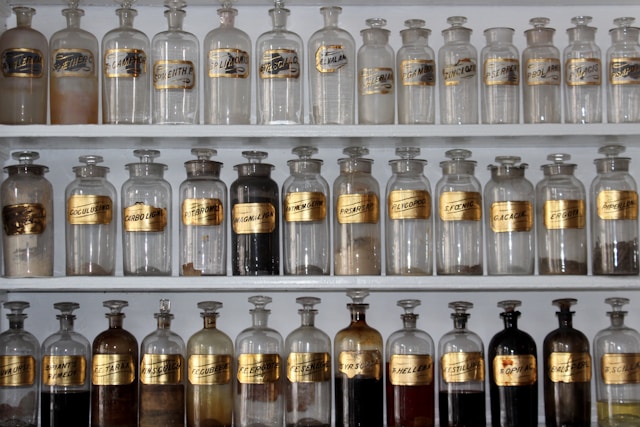
Many of today's most important medicines began as plants. By common estimates, roughly a quarter of prescription drugs trace back to plant compounds — aspirin, morphine, and even some chemotherapy drugs among them. Understanding how medicine moved from whole herbs to single-molecule drugs explains both what modern pharmacy gained and what herbal traditions still offer today.
Modern medicine grew out of the herb garden
The turning point came in the 1800s. As demand grew for stronger, more predictable remedies, chemists began isolating the active constituents inside plants — the specific molecules doing the work. Morphine was pulled from the opium poppy, quinine from cinchona bark, and one by one, scientific pharmacy was born. Instead of a cup of bark tea, you could now get a precise, measured dose of a single compound. That lineage is still everywhere in the pharmacy:
- Aspirin comes from salicin, originally found in willow bark.
- Codeine and morphine come from the opium poppy.
- Quinine, a malaria treatment, comes from cinchona bark.
- Digoxin, a heart medication, comes from foxglove.
- Metformin, a common diabetes drug, was inspired by goat's rue (French lilac).
- Paclitaxel (Taxol), used against several cancers, comes from the Pacific yew tree.
- Etoposide, another anticancer drug, comes from the mayapple.
Why a whole plant is different from a single molecule
Here's the interesting part. A pharmaceutical drug is usually one chemical. A plant can contain hundreds. That difference cuts both ways.
With a single compound, it's relatively easy to measure the dose and predict the effects — which is exactly why isolated drugs are so powerful and precise. With a whole plant, the many compounds can work together in ways that are harder to pin down. It even explains why one herb can seem to do opposite things — calming and stimulating, drying and moistening — depending on which constituents dominate.
Researchers have repeatedly found that a plant's compounds can act as a team. Cat's claw is a classic example: studies on the whole-plant extract showed an immune-supporting effect, but when scientists isolated the individual alkaloids hoping to bottle the "active" one, each piece worked less well on its own. In the whole plant, the alkaloids and tannins appear to support each other — a synergy that's difficult to reproduce with a single molecule.
Why you can't patent a plant
This synergy also creates a business puzzle. A company can't patent nature — a plant growing in the ground belongs to no one. So to protect an investment, drug developers typically isolate a single plant compound and modify it slightly, creating something new and patentable. It's part of why so many drugs are derived from plants rather than simply being the plant.
Herbs and pharmaceuticals both have a place
It's tempting to frame this as a rivalry, but the honest picture is that both approaches have real strengths and real limits.
Pharmaceuticals are precise, potent, and often life-saving; their tight dosing is a feature, not a flaw. Herbal medicine tends to be gentler and works with the whole plant, and its philosophy leans toward supporting the body and addressing underlying causes rather than only easing symptoms. Neither makes the other unnecessary.
What's important — and often misunderstood — is that "natural" does not mean "risk-free." Herbs are chemically active by definition; that's why they work. Potency and quality vary between products, some plants are genuinely toxic, and a number of common herbs can interact with prescription medications, sometimes seriously. Foraging or self-dosing without training is a real risk, not a romantic one. The safe, sensible approach is to treat herbs as medicine — because they are — and to tell your doctor or pharmacist about anything you're taking, especially alongside prescription drugs.
Why herbal knowledge still matters
Even in a world of advanced pharmaceuticals, interest in plant medicine keeps growing — partly out of concern about chronic conditions and antibiotic resistance, and partly because herbs are often affordable and available in many forms, from teas to tinctures. Used wisely and alongside good medical care, herbal knowledge helps people take a more active, preventive role in their own health.
That's the role Sarv is built for: matching time-tested herbal knowledge to your individual needs — as a complement to, not a replacement for, the care of a qualified professional.
Sources
- NCCIH — "6 Tips: How Herbs Can Interact With Medicines": https://www.nccih.nih.gov/health/tips/tips-how-herbs-can-interact-with-medicines
- NCCIH — "Herb–Drug Interactions: What the Science Says": https://www.nccih.nih.gov/health/providers/digest/herb-drug-interactions-science
- "Herbal Medicine" (Benzie & Wachtel-Galor, eds.), NCBI Bookshelf: https://www.ncbi.nlm.nih.gov/books/NBK92773/
- News-Medical — "Plant-Based Drugs and Medicines": https://www.news-medical.net/health/Plant-Based-Drugs-and-Medicines.aspx
Frequently asked questions
How many medicines come from plants?
Estimates vary, but a commonly cited figure is that around a quarter of prescription drugs are derived from plant compounds — including aspirin (willow), morphine (poppy), and the cancer drug paclitaxel (Pacific yew).
Are herbal remedies safer than pharmaceutical drugs?
Not automatically. Herbs are gentler in some ways, but they're chemically active, vary in quality, and can be toxic or interact with medications if misused. "Natural" doesn't mean risk-free — both herbs and drugs deserve respect and informed use.
Can I take herbs together with my prescription medications?
Sometimes, but not always — some herbs change how medications work, occasionally in dangerous ways. Always check with your doctor or pharmacist before combining them.
This article is for general wellness and educational purposes only and is not medical advice. Consult a qualified healthcare provider before using herbs — especially if you are pregnant, nursing, or taking medication.