Medically reviewed by the Sarv Health Team · Our editorial process
Pickled Garlic for Improving Cardiovascular Health
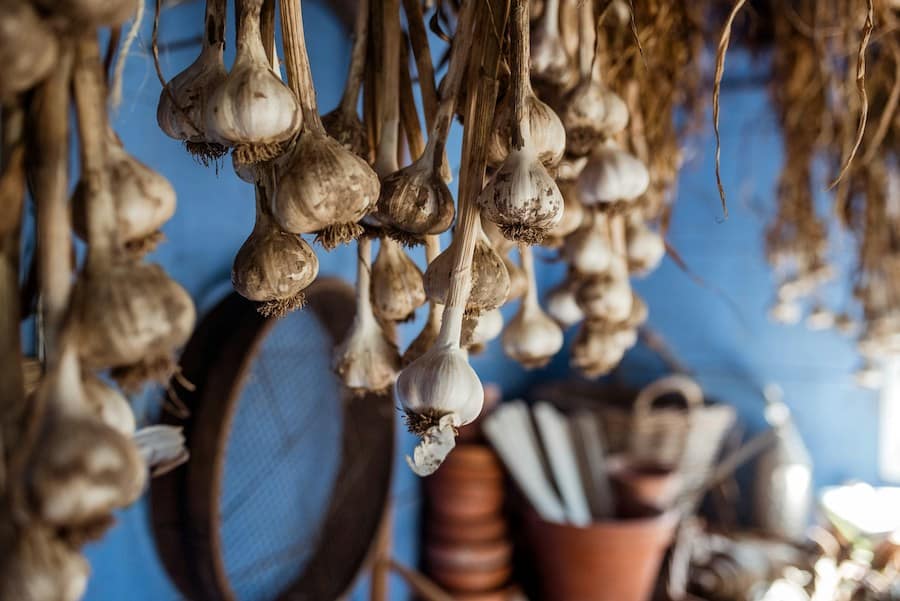
Garlic is widely favored for addressing respiratory illnesses such as colds, flu, and sore throats, as well as digestive issues. It enhances the immune system by promoting the generation of white blood cells. The sulfur compounds and essential oils present in garlic give it powerful antiseptic, antibacterial, and antimicrobial properties, making it effective in combating a variety of infections, including those resistant to some antibiotics. Garlic is recognized for its ability to expel intestinal parasites in both humans and animals and is beneficial in managing blood cholesterol levels and preventing the clumping of blood platelets, thus supporting circulatory health. Research also indicates that garlic can reduce blood sugar levels, offering support in the management of type 2 diabetes. Beyond its health benefits, garlic is celebrated for its delicious flavor, adding depth to a multitude of culinary dishes.
Pickled Garlic
Pickled garlic is a culinary preparation where garlic cloves are preserved in a mixture of vinegar, salt, and often additional spices or herbs. This process not only extends the shelf life of garlic but also imparts a unique flavor profile, making it a versatile ingredient in various dishes. The pickling process mellows the sharpness of fresh garlic, resulting in a more subtle, slightly sweet taste, while retaining the characteristic garlic aroma. It can be used as a condiment, added to salads, or incorporated into recipes to enhance flavor without overpowering the dish with raw garlic's intensity.
Consuming pickled garlic offers several health benefits, attributed to both the inherent properties of garlic and the fermentation process. Garlic is renowned for its health-promoting compounds, such as allicin, which is known for its antibacterial, antiviral, and antifungal properties. Regular consumption of pickled garlic can contribute to improved cardiovascular health by helping to lower blood pressure and cholesterol levels. Additionally, the fermentation process may introduce beneficial probiotics, which support gut health and enhance the immune system. Thus, incorporating pickled garlic into one's diet can be a flavorful way to bolster overall health and wellbeing.
How to Prepare the Pickled Garlic
Start by filling a wide-mouthed glass jar with whole, peeled garlic cloves, then pour in enough tamari sauce and/or apple cider vinegar (preferably unpasteurized) to completely submerge the garlic. Position the jar in a warm area, such as near a window that gets sunlight, and leave it to ferment for 3 to 4 weeks.
After the fermentation period, drain the liquid from the jar, reserving half for use in salad dressings and marinades. Take the remaining liquid and combine it with an equal measure of honey in a saucepan. Heat the mixture on a very low setting, stirring until the honey fully integrates with the tamari or vinegar. Pour this mixture back over the garlic, seal the jar again, and let it sit for an additional 3 to 4 weeks. Once done, store the jar in a cool, dark place. Properly stored, it will remain good for over a year, though its delightful taste means it's often consumed much sooner.
How to Consume
When ready to enjoy, consume the pickled garlic as you please. It boasts a unique blend of sweet, spicy, and strong flavors, offering a palatable way to enjoy raw garlic's benefits without the usual digestive discomfort that can accompany its raw form.
Safety Tips
Garlic comes with its own set of precautions. Although it's generally recognized as a safe and non-toxic herb, it isn't universally beneficial. For some individuals, consuming garlic can lead to an overabundance of 'heat' within the body, manifesting as heartburn, digestive upset, or even inducing feelings of anger (often associated with 'heat' in the body). Garlic might also cause digestive issues in infants and young children, and breastfeeding mothers might find that their infants become restless or suffer from colic after they consume garlic. Furthermore, applying garlic directly to the skin can cause irritation or burning, especially on sensitive skin types.
Sources
- VM Imaizumi, LF Laurindo, B Manzan, Garlic: A systematic review of the effects on cardiovascular diseases, Critical Reviews in Food Science and Nutrition, 2023.
- RT Ackermann, et al. Garlic shows promise for improving some cardiovascular risk factors, JAMA Internal Medicine, 2001.
- K Rahman, GM Lowe, Garlic and cardiovascular disease: a critical review, The Journal of nutrition, 2006.
- J Ansary, TY Forbes-Hernández, E Gil, D Cianciosi, Potential health benefit of garlic based on human intervention studies: A brief overview, Antioxidants, 2020.
- Gladstar, R., Herbal Recipes for Vibrant Health, Storey Publishing. 2008.
- CE Ugwu, SM Suru, The functional role of garlic and bioactive components in cardiovascular and cerebrovascular health: what we do know, Journal of Biosciences and Medicines, 2016.
This article is for general wellness and educational purposes only and is not medical advice. Consult a qualified healthcare provider before using herbs — especially if you are pregnant, nursing, or taking medication.