Medically reviewed by the Sarv Health Team · Our editorial process
Peppermint Headache Tincture
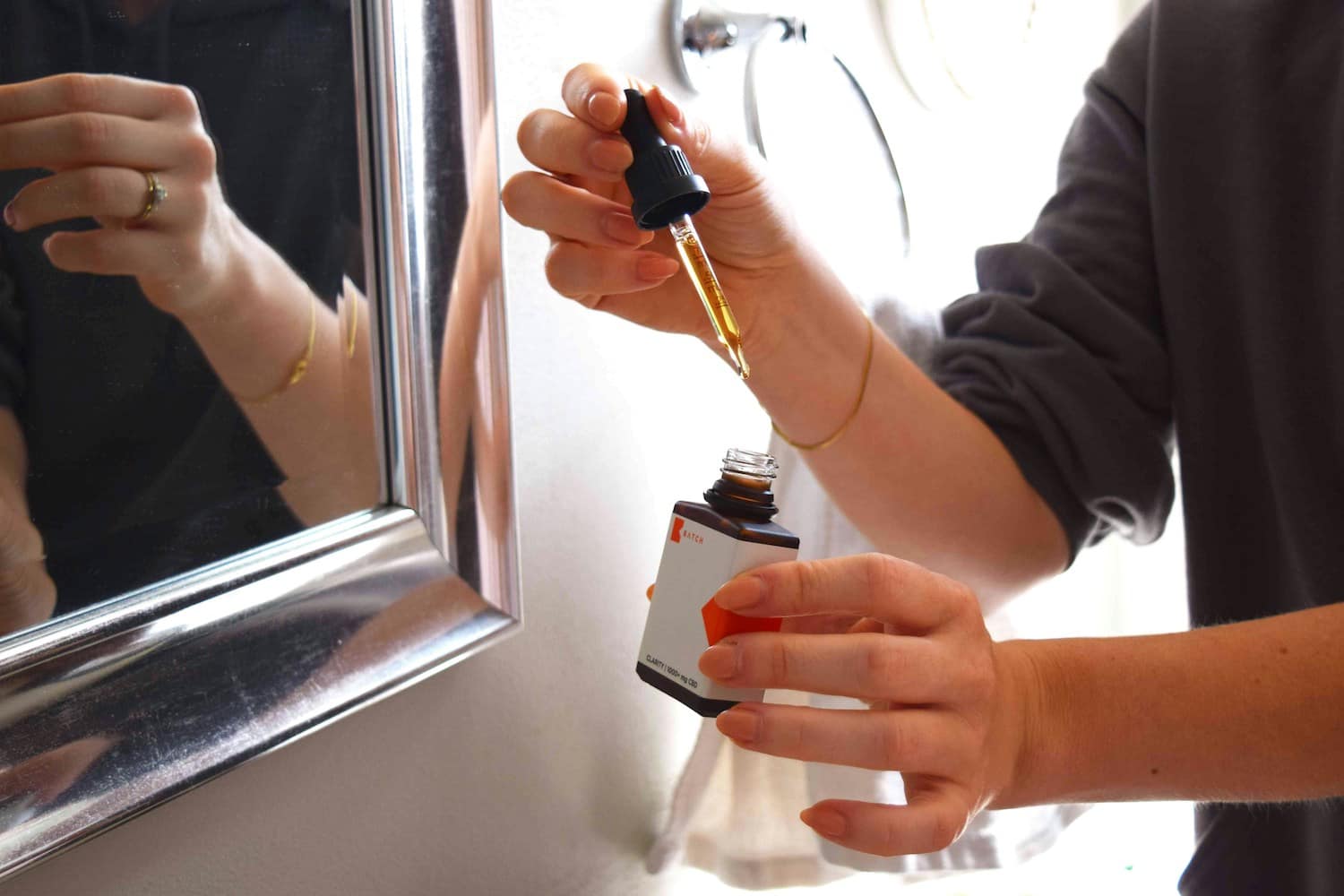
Peppermint is widely acclaimed for its effectiveness as a digestive aid, particularly in alleviating nausea and gas, thanks to its antispasmodic properties that aid in relaxing muscles and easing stomach cramps and spasms. Its crisp, invigorating taste is especially appreciated after experiencing indigestion or vomiting. A few drops of peppermint essential oil in warm water can quickly eliminate the unpleasant taste and smell following stomach distress. It's a staple in products like toothpaste, mouthwash, and chewing gum, largely defining what we consider fresh breath and a clean mouth. Peppermint is even used in cleaning products for its refreshing aroma, making it ideal for a disinfectant spray in the bathroom to rejuvenate the space.
Less commonly known are peppermint's pain-relieving qualities. It ranks among my top herbs for mitigating the discomfort of headaches, bee stings, burns, and toothaches. For treating burns, mix a couple of drops of peppermint essential oil with 2 tablespoons of honey and apply it directly to the burn, where the honey acts as a sterile covering and peppermint provides cooling relief, often in minutes. Peppermint tea is also beneficial for reducing the intensity and duration of headaches, particularly those linked to digestive issues. A blend of chamomile and peppermint tea is recommended for both indigestion and headaches resulting from it.
Owing to its delightful and familiar taste, peppermint is frequently combined with other medicinal herbs that may be less palatable. It also offers a range of essential nutrients, including calcium, magnesium, and potassium, making it a valuable addition to blender drinks, soups, salads, and pestos for both its flavor and nutritional benefits.
The Recipe
This remedy is particularly beneficial for individuals who tend to experience headaches as a result of indigestion.
- 2 parts peppermint leaf
- 1 part chamomile flower
- 1 part feverfew flower and leaf
- 1 part hops strobile
- 80-proof alcohol
How to Make the Tincture
- 1. Finely chop the herbs and place them in a clean, dry glass jar.
- 2. Cover the herbs with alcohol, ensuring they are submerged by 2 to 3 inches, then tightly close the jar. Herbs may float to the surface initially; if so, allow them to settle for a day or two and add more alcohol if necessary to maintain the correct coverage. Marking the initial level of herbs on the jar can help gauge this.
- 3. Store the jar in a warm, sunlit area and let the herbs macerate for 4 to 6 weeks, shaking the jar daily. While daily shaking may not be strictly necessary, it promotes thorough mixing of the solvent and herbs, and it's a chance to infuse the tincture with positive intentions.
- 4. After maceration, strain the herbs out, composting the remnants, and transfer the tincture to a clean jar with a secure lid for storage in a cool, dark place. An alcohol-based tincture can last for many years, a glycerin-based one for up to 3 years, and a vinegar-based tincture for at least a year, often longer.
Take 1⁄4 to 1⁄2 teaspoon before and after meals.
Safety Tips
Completely safe; there are no known reactions or adverse side effects.
Sources
- Gladstar, R., Herbal Recipes for Vibrant Health, Storey Publishing. 2008.
- M Levin, Herbal treatment of headache, Headache: the journal of head and face pain, 2012.
- A Balakrishnan, Therapeutic uses of peppermint-a review, Journal of Pharmaceutical Sciences and Research, 2015.
- A Pareek, et al. Feverfew (Tanacetum parthenium L.): A systematic review, Pharmacogn Rev, 2017.
- N Moasefi, H Rasouli, H Adibi, Peppermint and its functionality: A review, M Loolaie, Arch Clin Microbiol, 2017.
- ES Johnson, Efficacy of feverfew as prophylactic treatment of migraine.,Br Med J, 1985.
This article is for general wellness and educational purposes only and is not medical advice. Consult a qualified healthcare provider before using herbs — especially if you are pregnant, nursing, or taking medication.