Medically reviewed by the Sarv Health Team · Our editorial process
How to Make Herbal Teas
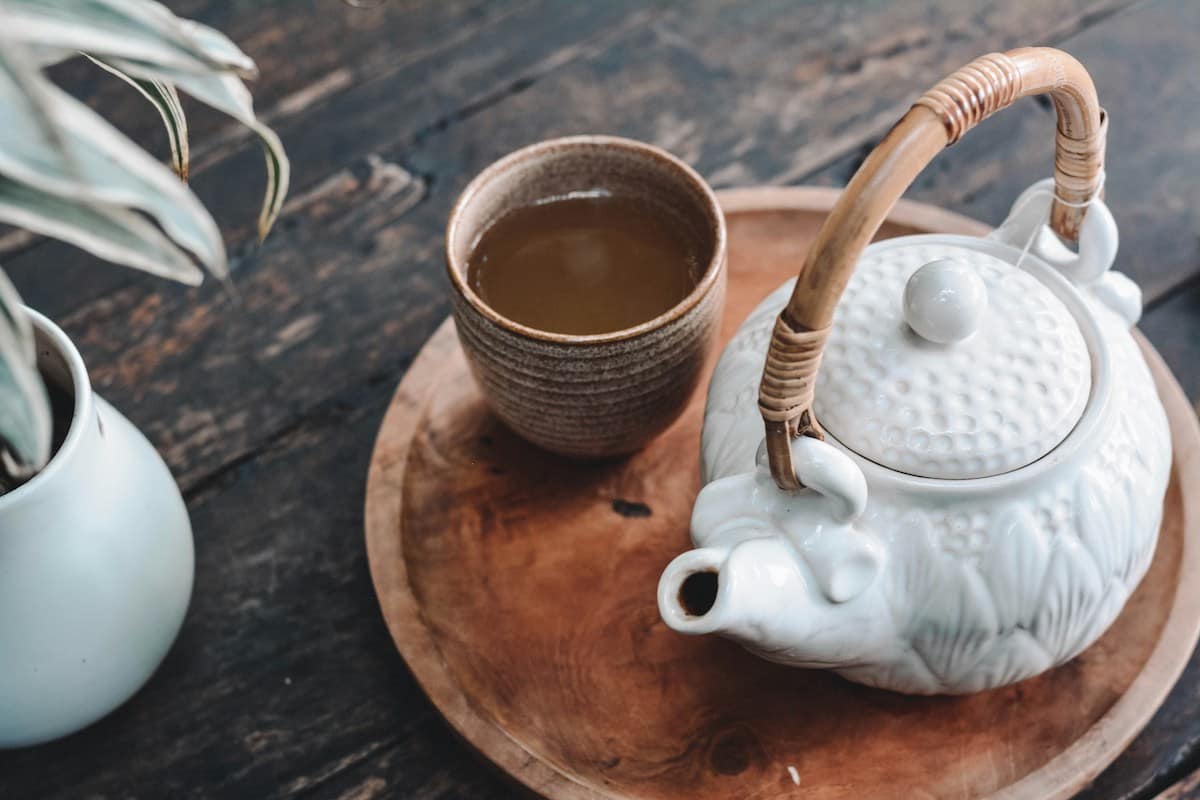
The distinction between a medicinal tea and a beverage tea lies primarily in their intended purposes. Beverage teas are crafted and enjoyed mainly for their taste, prioritizing flavor over any health benefits the herbs might offer. Medicinal teas, while they can also be enjoyable to drink, are formulated with specific health objectives in mind, making them therapeutic concoctions designed to aid in healing. The effectiveness of a medicinal tea is enhanced if it's palatable, encouraging regular consumption by the individual seeking health benefits.
It's often not practical or efficient to prepare medicinal teas one cup at a time due to the effort and time involved. A more convenient approach is to brew a quart of tea, which can then be consumed warm or at room temperature as needed. Since water doesn't act as a preservative, herbal teas don't have a long lifespan. While refrigeration can extend its freshness, a brewed medicinal tea can generally be kept at room temperature for a day or two, depending on the surrounding climate. However, if the tea begins to taste off, loses its fresh flavor, or shows signs of fermentation like bubbling, it's time to prepare a new batch.
Infusions and Decoctions
When brewing tea, the method of preparation varies depending on the part of the plant being used, akin to how cooking methods differ between spinach and potatoes. Leaves and flowers should typically be steeped in hot water, a method that preserves their delicate enzymes, vitamins, and essential oils, preventing them from being destroyed by excessive heat. Conversely, roots and bark require simmering to effectively extract their robust plant compounds. While there are exceptions to these guidelines, which are often detailed in herbal literature, minor deviations in the preparation process, such as simmering a root that was recommended to be steeped, are usually not cause for concern; the therapeutic qualities of the remedy will likely remain intact.
The term for soaking plant material in boiling water is 'infusion,' whereas 'decoction refers to the process of gently boiling plant matter. When unsure, opting to steep is advisable as it's less likely to harm many of the plant's beneficial medicinal properties. The duration of steeping affects the tea's strength, but excessively long steeping times can extract undesirable elements from the plant, similar to how over-steeping black tea can lead to an overly astringent drink rich in tannins.
The effectiveness of a medicinal tea, whether it's an infusion or a decoction, hinges on its concentration and potency. Medicinal teas are generally prepared to be quite strong, necessitating a substantial quantity of herbs.
How to Make a Medicinal Infusions
Infusions are typically prepared using the plant's more delicate components, including leaves, flowers, buds, certain berries and seeds, and fragrant parts. Even aromatic roots like valerian, ginger, and goldenseal, which might typically be candidates for decoction due to their robust nature, are often steeped to preserve their aromatic qualities. Many find these roots to be effective whether steeped or simmered. Once used, these herbal remnants can be added to compost, contributing to a cycle of sustainability. The following outlines the fundamental steps for creating infusions.
- 1. Place 4 to 6 tablespoons of dried herbs (or 6 to 8 tablespoons if using fresh herbs) into a quart-sized glass jar.
- 2. Fill the jar with boiling water, ensuring the herbs are completely submerged. Allow the mixture to steep for 30 to 45 minutes. The duration of the steeping and the quantity of herbs used will influence the potency of the resulting tea.
- 3. Strain and drink.
How to Make a Medicinal Decoctions
Decoctions are prepared from the tougher, woodier parts of plants, including roots, bark, twigs, and certain seeds and nuts. These hardy materials require more effort to release their active compounds, making a gentle, prolonged simmering process necessary. Once you've used these materials, they can be contributed to your compost pile. Below are the essential steps for creating decoctions.
- 1. Add 4 to 6 tablespoons of dried herbs (or 6 to 8 tablespoons if using fresh herbs) to a small saucepan, and pour in 1 quart of cold water.
- 2. Turn the heat to low, and gently bring the mixture to a simmer. Then cover the saucepan and allow it to simmer for 25 to 45 minutes. The decoction's potency will be influenced by how long you simmer the herbs and the quantity used. For a more concentrated decoction, continue to simmer the herbs for 20 to 30 minutes, then transfer the mixture to a quart jar to steep overnight.
- 3. Strain the mixture and it's ready to consume.
This article is for general wellness and educational purposes only and is not medical advice. Consult a qualified healthcare provider before using herbs — especially if you are pregnant, nursing, or taking medication.