Medically reviewed by the Sarv Health Team · Our editorial process
Ginger Lemon Tea for Colds and Fever
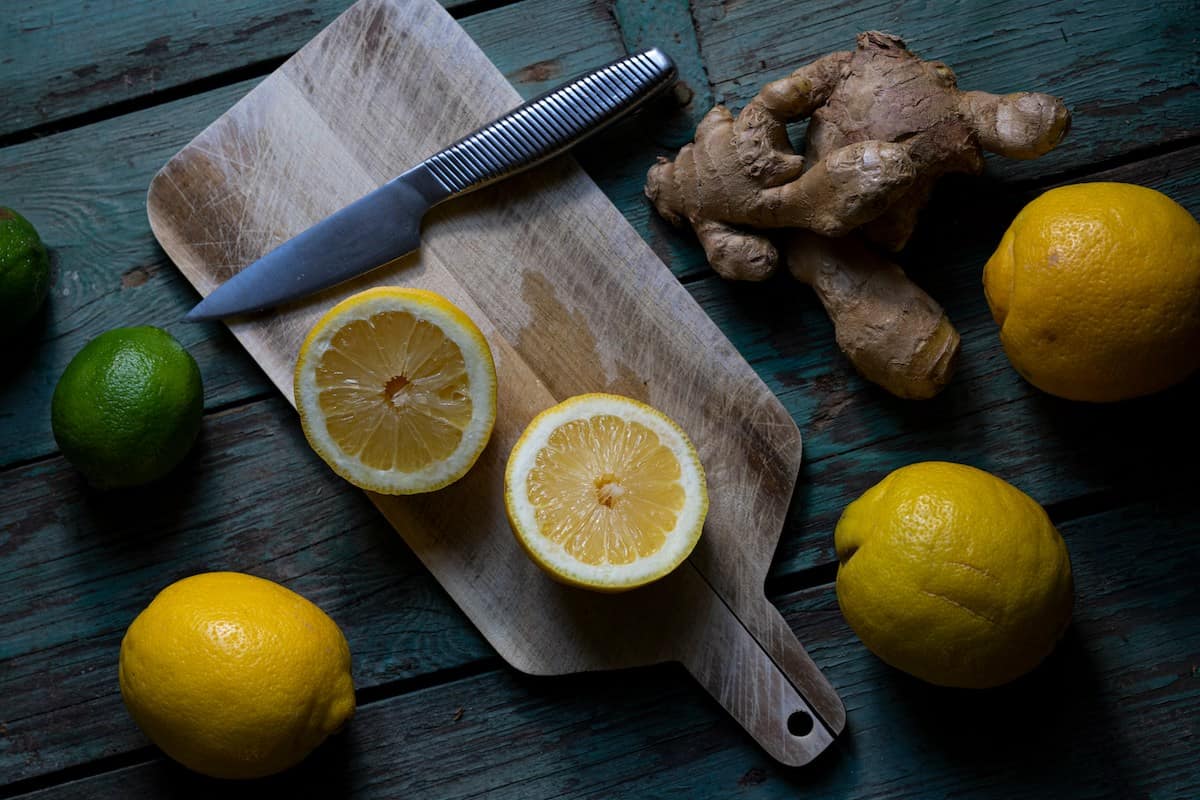
Ginger is known for its proteolytic enzyme, which has been found to lessen inflammation and aid in the healing of damaged joints and cartilage, making it a popular choice for arthritis and joint discomfort relief. It also enhances blood flow in the pelvic area and is commonly included in tonics aimed at boosting reproductive health in both men and women, as well as in treatments for menstrual pain and PMS. Numerous studies have verified ginger's ability to decrease blood-level triglycerides, which are associated with diabetes and heart disease. Additionally, various clinical trials have shown that ginger is more effective than some over-the-counter remedies for nausea, motion sickness, and seasickness, a fact well-known to herbalists. Research also indicates that ginger can match the effectiveness of anti-nausea medications used in chemotherapy without the accompanying side effects. Its antiseptic qualities make it highly effective against gastrointestinal infections, and it's often used in remedies for food poisoning. Ginger is also favored for its warming and decongesting properties, making it useful for treating issues like poor circulation, colds, flu, respiratory blockages, and sore throats. Beyond its health benefits, ginger is celebrated for its delicious taste and culinary versatility, serving both as a flavorful ingredient and a potent natural remedy for various ailments.
This excellent herbal solution is great for relieving cramps, colds, congestion, and fevers. While you can opt for bottled lemon juice, it's important to note that the heating involved in the bottling process tends to diminish many of the beneficial properties of lemons. I sometimes resort to using bottled lemon juice for culinary purposes when pressed for time or lacking fresh lemons, but for therapeutic uses, fresh lemons are preferred.
Measures
- 4–6 tablespoons freshly grated ginger root
- 1–2 lemons
- Optional: Honey, to taste
How to Make Ginger Lemon Tea
Mix the ginger with 1 quart of cold water in a saucepan and ensure the pan is securely covered. Heat the mixture until it just begins to boil, then take it off the heat and allow it to steep for 10 to 15 minutes. During the steeping period, extract the juice from one or two lemons. After steeping, strain the ginger out of the tea, and then blend in the freshly squeezed lemon juice and honey according to your preference. This beverage can be enjoyed either hot or chilled.
Safety Tips
Ginger, a widely used culinary herb favored by millions, is not associated with any known adverse effects.
Sources
- Gladstar, R., Herbal Recipes for Vibrant Health, Storey Publishing. 2008.
- A Grøntved, Ginger root against seasickness: A conctrolled trial on the open sea, Acta Oto-Laryngologica, 1988.
- L Khodaie, O Sadeghpoor , Ginger from ancient times to the new outlook, Jundishapur Journal of Natural Pharmaceutical Products, 2015.
This article is for general wellness and educational purposes only and is not medical advice. Consult a qualified healthcare provider before using herbs — especially if you are pregnant, nursing, or taking medication.