Medically reviewed by the Sarv Health Team · Our editorial process
Fresh VS. Dried Herbs, Which one is Better?
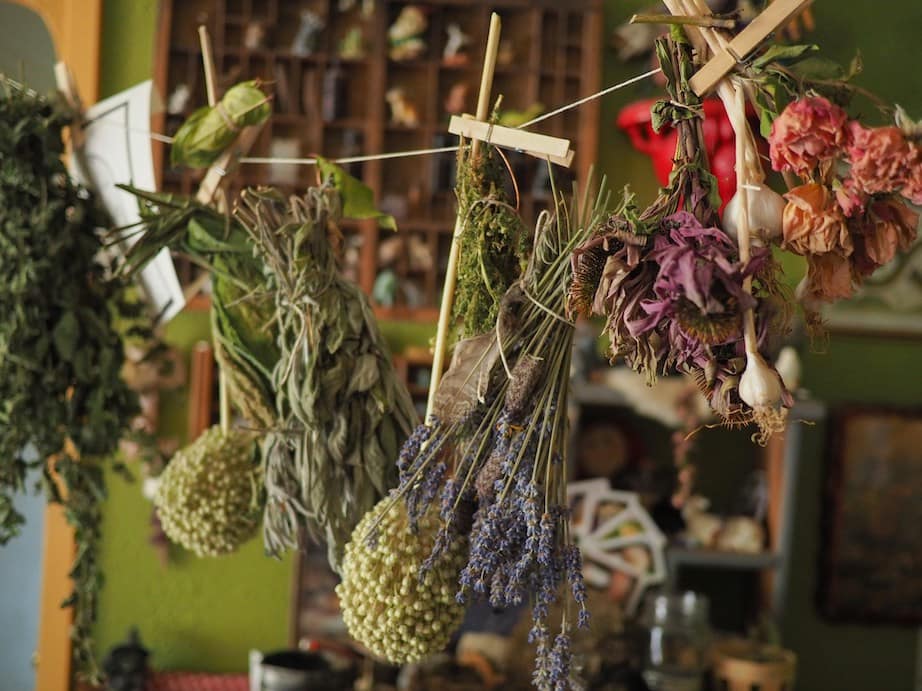
The flavor of freshly harvested herbs is unparalleled, yet top-notch dried herbs can match the efficacy of fresh ones in teas and various herbal formulations, provided they are of superior quality. The key lies in harvesting herbs at their peak, promptly and properly drying them, and then ensuring they are suitably packaged and stored to maintain the essence of the fresh plant, with only the water content being lost.
Herbal practitioners often advocate for the use of fresh herbs when available. However, dried herbs are sometimes the better choice, particularly for creating salves and oils, where the moisture in fresh herbs could lead to spoilage. The drying process concentrates the herbs by removing water, which can be beneficial in crafting herbal remedies. Moreover, the necessity for dried herbs arises from the seasonal availability of fresh herbs and the geographical limitations in growing certain medicinal plants.
The general guideline is to opt for fresh herbs when they're accessible, but don't hesitate to use high-quality dried herbs, which can be equally effective and sometimes even preferred for certain applications. Regardless of whether you choose fresh or dried, prioritizing organically grown herbs is crucial, even if it comes at a higher cost, to ensure that your herbal remedies are free from harmful chemicals and truly conducive to health and healing.
How to Dry High-Quality Herbs
After gathering your medicinal herbs, drying them is an excellent way to extend their shelf life for later use. Ideal drying conditions include:
- A consistent warm environment with temperatures between 90° and 110°F
- Low humidity levels
- Adequate ventilation
- Avoidance of direct sunlight exposure
Adhering to these guidelines ensures the preservation of high-quality dried herbs for use throughout the year.
Drying herbs is straightforward, yet it requires careful consideration of heat and moisture levels. Many medicinal properties, particularly aromatic essential oils, are sensitive to heat, and excessive temperatures above 110°F may lead to their loss. Additionally, attempting to air-dry herbs in humid conditions or during wet seasons can prove difficult, making a food dryer or dehydrator a more reliable option.
Traditionally, herbs are dried by hanging them in small bunches, which, while visually appealing, may not be the most effective method. Herbs left hanging too long can over-dry or accumulate dust. If opting for this method, ensure bundles are small for efficient drying and remove them promptly once dry. Utilizing baskets and screens that promote airflow is another effective technique. Place these in a warm, dry area of your home, elevated on supports or hung with strings. If exposed to sunlight, shield the herbs with a breathable fabric. Specialized nesting baskets designed for herb drying offer a space-saving solution by stacking multiple tiers for drying.
Using a food dehydrator is another viable method, keeping the temperature between 90° and 110°F. Regardless of the drying method chosen, once the herbs are dry, store them in glass jars with secure lids in a cool, dark place. Properly stored dried herbs can maintain their medicinal properties for a year or more. The viability of an herb can be determined by its color, aroma, and effectiveness, which should remain consistent with its freshly dried state.
Freezing Herbs
Freezing stands out as a remarkably straightforward approach for preserving medicinal herbs, effectively maintaining their medicinal qualities, taste, and in many cases, color. While some herbs might experience a change in color or texture upon freezing, they generally remain potent and flavorful. For example, basil becomes notably susceptible to cold, undergoing a color shift to a deeper hue and a softer texture once thawed. Despite these changes, its flavor largely persists, making it suitable for use in medicinal concoctions like soups and teas where its altered texture and color are inconsequential.
Herbs can be frozen either as whole leaves or chopped, using ziplock bags for storage. An alternative method involves puréeing the herbs, adding a bit of water if necessary, and then freezing the purée in ice-cube trays. Once solid, these herb cubes can be transferred to ziplock bags for longer storage. This technique is particularly handy for creating pre-mixed herbal blends for teas. Simply introduce a frozen herb cube into a cup of hot water for an instant herbal tea that closely mimics the freshness of just-picked herbs.
This article is for general wellness and educational purposes only and is not medical advice. Consult a qualified healthcare provider before using herbs — especially if you are pregnant, nursing, or taking medication.