White oak
Fagaceae
Reviewed by The Sarv Health Team · Our editorial process
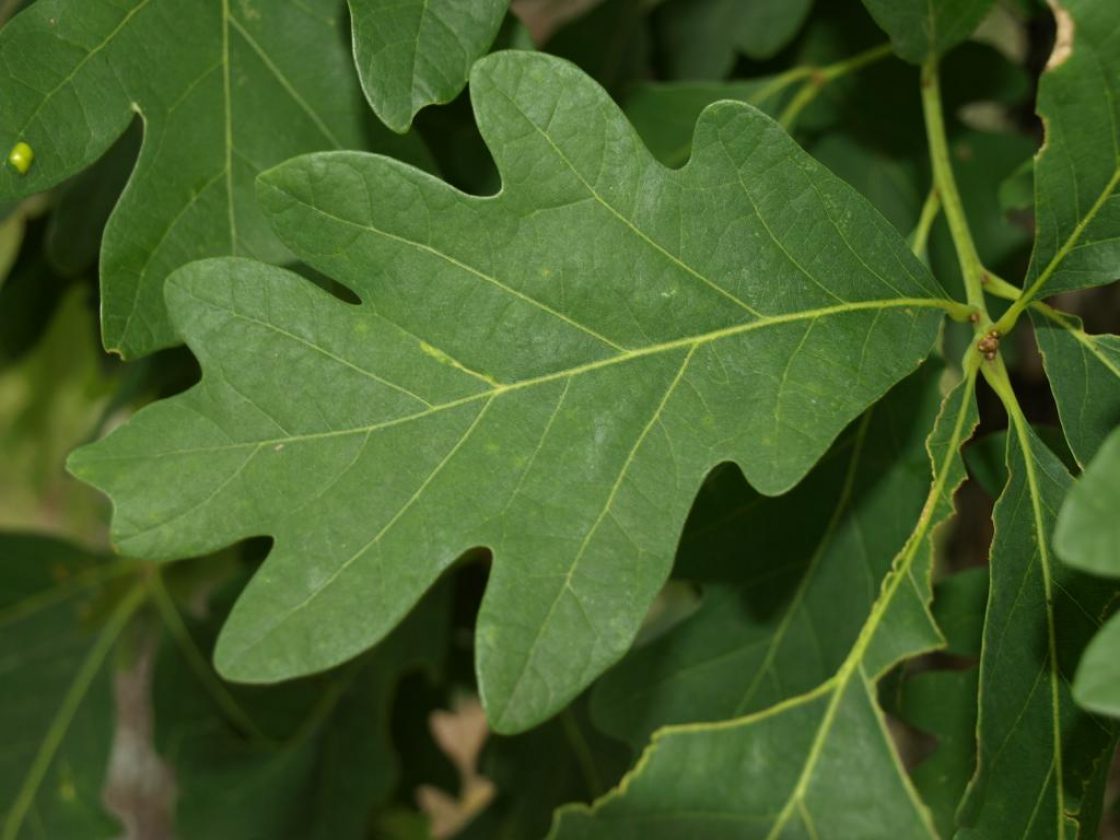
White oak is praised for its high calcium and tannin content, making it an excellent astringent that tightens body tissues and restores cellular vitality, particularly in cases of tone deficiency. It is beneficial for treating various conditions including diarrhea, gum and teeth inflammation and disease, chronic nasal congestion with post-nasal drip, as well as bladder issues like incontinence and urgency. Additionally, it can halt hemorrhaging or bleeding, including nosebleeds, bloody sputum, and internal stomach bleeding. However, there are contraindications; it should not be applied externally on severe burns or wounds, and those with heart muscle weakness should avoid baths with this herb.
Medicinal Uses
White oak is celebrated for its high calcium and tannin content, making it an exemplary natural astringent that effectively tightens body tissues. It is particularly beneficial in conditions where there is a lack of tone or diminished cellular vitality, as it aids in restoring proper structure and ensuring efficient nutrient delivery. It is commonly used to treat diarrhea by improving bowel health and tone, to reduce inflammation and disease in gums and teeth, to alleviate chronic nasal congestion with post-nasal drip, and to address issues of poor bladder tone manifesting as incontinence or urgency.
Moreover, the astringent qualities of white oak are powerful in halting hemorrhaging or bleeding. This includes treating nosebleeds, stopping the coughing up of bloody sputum, and controlling internal bleeding from the stomach.
However, there are specific contraindications for using white oak. It should not be applied externally to severely damaged skin surfaces, such as those affected by serious burns or wounds. Additionally, baths using white oak are not recommended for individuals with weakened heart muscles, due to potential adverse effects on their condition.
Benefits
tones lax and deficient conditions, stops hemorrhaging or bleeding
How to Use & Dosage
For a bath, use 5 tablespoons of the herb per quart of water, steep it for at least 1 hour, strain, and then bathe the affected area as needed.
For the tincture, take 12 to 60 drops, and you can have it 1 to 3 times per day.
To make a decoction, use 1 or 2 teaspoons of the herb per cup, simmer it for 10 to 12 minutes, and you can have 1 to 3 cups per day.
For a fomentation, use 3 tablespoons of the herb per cup, steep it for at least 1 hour, strain, and apply the saturated cloth to the area as needed.
To prepare a gargle or mouthwash, use 1 or 2 tablespoons of the herb per cup, steep for 1 hour, strain, and gargle with 1 ounce as needed.
More Info
Frequently asked questions
What is White oak used for?
White oak is celebrated for its high calcium and tannin content, making it an exemplary natural astringent that effectively tightens body tissues. It is particularly beneficial in conditions where there is a lack of tone or diminished cellular vitality, as it aids in restoring proper structure and ensuring efficient nutrient delivery. It is commonly used to treat diarrhea by improving bowel health and tone, to reduce inflammation and disease in gums and teeth, to alleviate chronic nasal congestion with post-nasal drip, and to address issues of poor bladder tone manifesting as incontinence or urgency.
What are the benefits of White oak?
tones lax and deficient conditions, stops hemorrhaging or bleeding
How do you take White oak?
Common preparations include bath, tincture, decoction, fomentation, gargle or mouthwash. See the dosage guidance above, and consult a qualified practitioner for amounts suited to you.
This information is for general wellness and educational purposes only and is not medical advice. Consult a qualified healthcare provider before using any herb — especially if you are pregnant, nursing, or taking medication.