Codonopsis
Codonopsis pilosula · Campanulaceae
Reviewed by The Sarv Health Team · Updated June 29, 2026 · Our editorial process
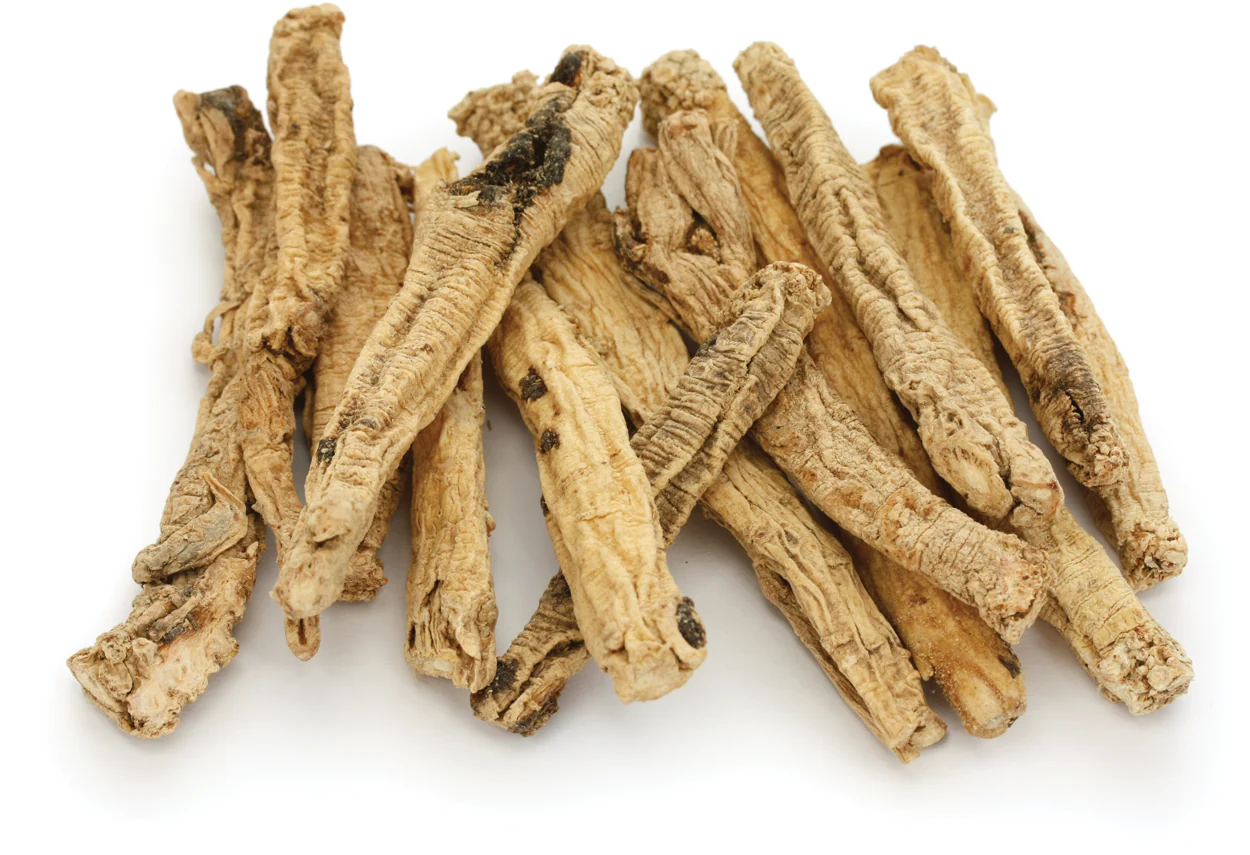
Codonopsis is a gentle, nourishing tonic root in Traditional Chinese medicine, often called poor man's ginseng because it offers many of ginseng's energy-building benefits in a milder, more affordable form. Classified as a sweet, neutral tonic for the spleen and lungs, it is used to strengthen digestion, build energy (qi), and support the lungs, easing fatigue, poor appetite, weak digestion, and shortness of breath. Codonopsis is especially valued for being suitable for long-term and everyday use, including for those who find ginseng too stimulating. Its polysaccharides also help nourish the blood and support a balanced immune system, making it useful during recovery from illness. Mild and well tolerated, codonopsis is a foundational tonic for energy, digestion, and overall vitality.
Medicinal Uses
Codonopsis is one of the most widely used tonic herbs in Traditional Chinese medicine, valued as a gentle, everyday alternative to ginseng. Known as dang shen, it is considered sweet in flavor and neutral in nature, entering the spleen and lung channels to tonify qi, the body's vital energy.
A primary medicinal use of codonopsis is strengthening digestion and building energy. It is traditionally used for spleen qi deficiency, which in Chinese medicine presents as fatigue, poor appetite, weak digestion, loose stools, and a feeling of heaviness or tiredness after eating. By supporting the digestive system, codonopsis helps the body generate steady, sustainable energy.
Codonopsis is also a lung tonic, used to support healthy breathing and relieve shortness of breath, chronic cough, and the weakness that can follow respiratory illness. It is often combined with astragalus for this purpose.
Because it nourishes both qi and the blood, codonopsis is valuable during convalescence, helping the body recover strength after illness, childbirth, or prolonged stress. Its polysaccharides also support a balanced immune system.
A key advantage of codonopsis is its gentleness. Unlike ginseng, it is mild enough for long-term daily use and is well suited to those who feel overstimulated by stronger tonics, children, and the elderly. This makes it a foundational and versatile tonic for energy, digestion, and overall vitality.
Benefits
Builds energy and qi, strengthens digestion, improves appetite, relieves fatigue, supports the lungs and healthy breathing, eases chronic cough, nourishes the blood, supports a balanced immune system, aids recovery from illness, suitable for long-term use
How to Use & Dosage
1/2 to 1 teaspoon (1-3 grams) of root powder, taken 1-2 times daily.
1000-3000 mg per day, divided into 1-2 doses.
2-4 ml (about 40-80 drops), taken 2-3 times daily.
Simmer 9-30 grams of dried codonopsis root in water for 30-45 minutes. Drink 1-2 cups daily.
More Info
Frequently asked questions
What is Codonopsis used for?
Codonopsis is one of the most widely used tonic herbs in Traditional Chinese medicine, valued as a gentle, everyday alternative to ginseng. Known as dang shen, it is considered sweet in flavor and neutral in nature, entering the spleen and lung channels to tonify qi, the body's vital energy. A primary medicinal use of codonopsis is strengthening digestion and building energy.
What are the benefits of Codonopsis?
Builds energy and qi, strengthens digestion, improves appetite, relieves fatigue, supports the lungs and healthy breathing, eases chronic cough, nourishes the blood, supports a balanced immune system, aids recovery from illness, suitable for long-term use
How do you take Codonopsis?
Common preparations include powder, capsules, tincture, decoction. See the dosage guidance above, and consult a qualified practitioner for amounts suited to you.
This information is for general wellness and educational purposes only and is not medical advice. Consult a qualified healthcare provider before using any herb — especially if you are pregnant, nursing, or taking medication.